

By P.K.Balachandran/Eurasia Review
Colombo, April 17 — Maldivian President Dr. Mohamed Muizzu finds himself on shaky ground following lacklustre performance since assuming power in late 2023. His government’s defeats in a nationwide referendum on constitutional changes and in the Mayoral races held on April 4 have exposed vulnerabilities in his leadership.
The referendum sought public approval for shortening the current parliamentary term and amending the Constitution to hold Presidential and Parliamentary elections on the same day in 2028.
Under the proposal, the People’s Majlis’s (Parliament’s) term would have ended on December 1, 2028, instead of May 2029.
Despite energetic campaigning by the ruling People’s National Congress (PNC), voters delivered a decisive rejection: 68.7% voted “No” and only 31.3% voted “Yes.”
Many viewed Muizzu’s intention as a strategic attempt to consolidate power by allowing the ruling party to potentially sweep both the Presidency and Parliament in a single wave. Critics argued that simultaneous elections could reduce accountability, as voters would lose the chance to reassess the government’s performance in staggered polls.
Local Elections
In the Local Council elections held concurrently on April 4, Muizzu’s PNC lost all five city Mayoral posts to the opposition Maldivian Democratic Party (MDP). However, the PNC did secure more overall council seats (around 216–220) compared to the MDP (around 207).
But the loss in the Mayoral races—particularly in Malé and other cities where over half the population resides—was widely seen as a significant blow to the ruling party.
Reports highlighted the ruling party’s heavy reliance on State resources during the campaign, including job offers in public enterprises, financial incentives, and last-minute project announcements.
Voters, especially in urban areas, appeared to reject such tactics, signalling that basic service delivery—housing, waste management, flood mitigation, and controlling the cost of living—matters more than patronage.
Many questioned what the PNC had achieved with its parliamentary supermajority since 2024, pointing to stagnant development on many islands in the Maldivian archipelago and the limited tangible benefits they got despite increased public spending.
Cabinet Reshuffle
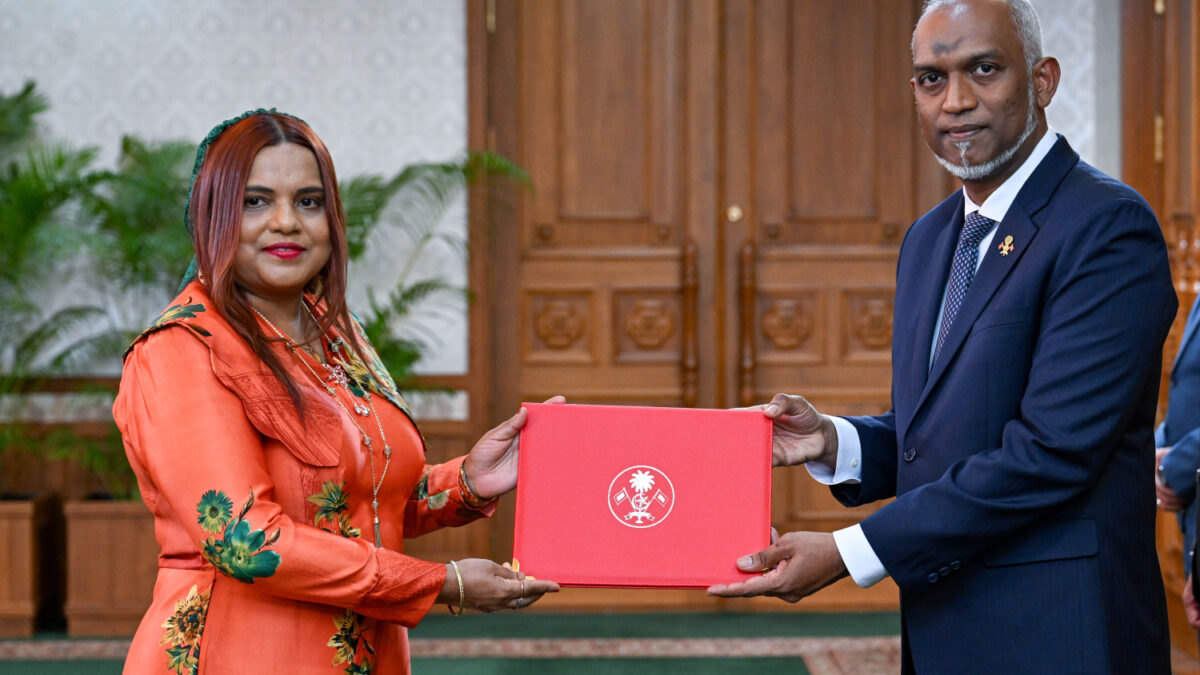
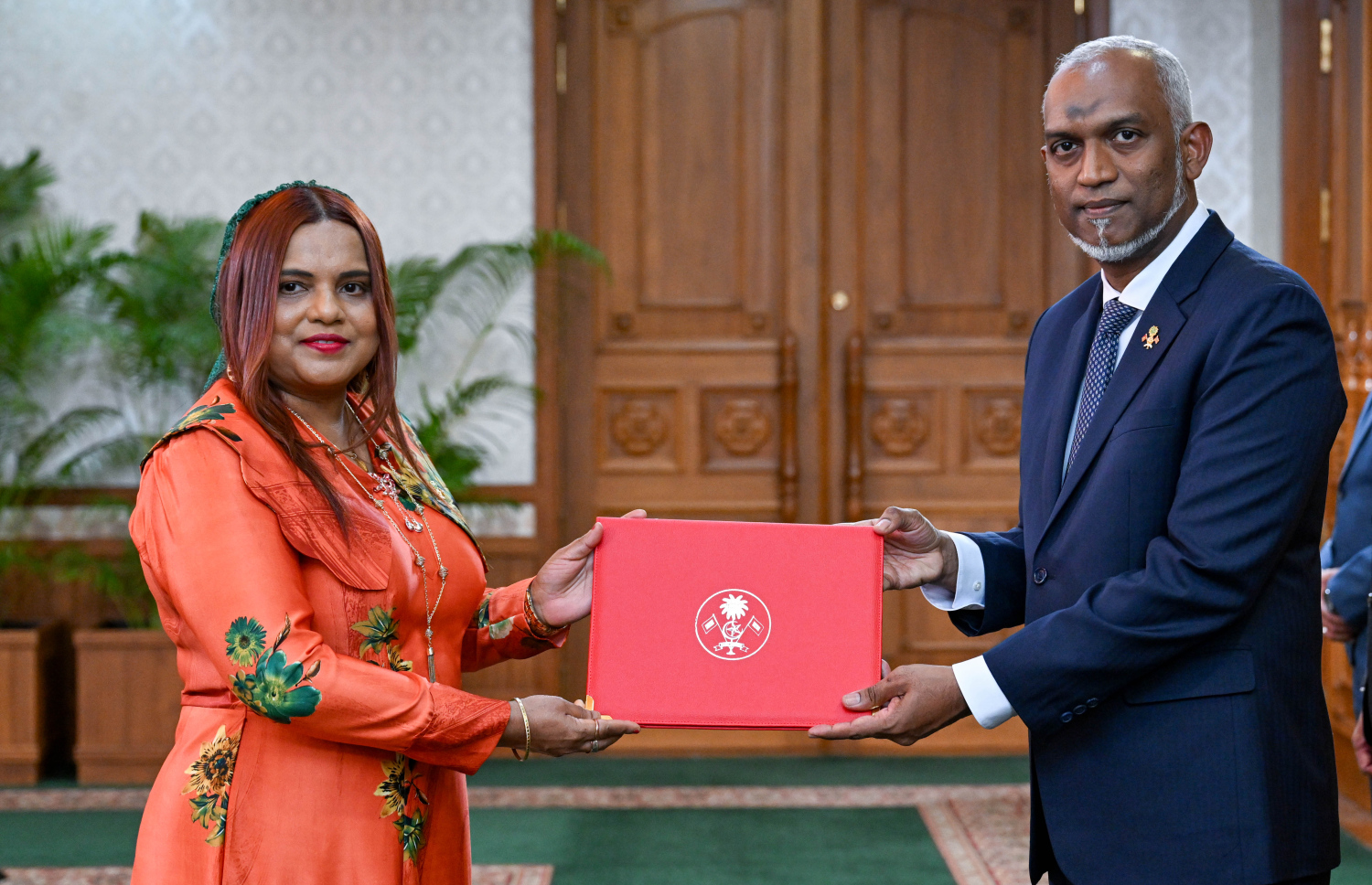
In response to the setbacks, President Muizzu accepted the resignations of 10 out of 20 cabinet ministers in order to restructure the cabinet. A reshuffled cabinet of 15 ministries was sworn in on April 14. Ms.Iruthisham Adam is the new Foreign Minister. She is an ex-diplomat.
Economic Challenges
The Maldives is facing mounting economic pressures, including risks of a debt crisis stemming from poor planning, opaque decision-making, and misplaced priorities, according to critics.
Former MDP chairperson Fayyaz Ismail noted that the administration inherited a recovering economy with rising tourism revenues and state income—conditions that should have allowed debt reduction. Instead, debt has grown amid spending on military equipment (including drones) and an expansion of political appointees, while productive investments and island-level livelihoods have lagged.
The Small and Medium Enterprises (SME) sector, a cornerstone of the economy, has been particularly strained by policy neglect, limited financing, and uncertainty. Many businesses that survived the pandemic now face difficulties.
Sukuk Repayment
The government recently repaid a US$500 million sovereign Sukuk (plus approximately US$25 million in profit/coupon), announcing it ahead of or on schedule in early April 2026. Officials highlighted record gross international reserves and portrayed the repayment as evidence of sound fiscal management.
However, analysts argue the payment was largely funded by drawing down the Sovereign Development Fund (SDF) and other foreign currency buffers (reserves intended for long-term development and economic shocks) rather than from genuine surpluses or broad-based growth.
This approach, they warn, could exacerbate foreign currency shortages, pressure the Rufiyaa, raise living costs, and affect essential imports and Maldivians studying abroad.
Anti-Defection Law Under Challenge
President Muizzu has so far relied on two strengths (a) the PNC’s supermajority in Parliament and (b) a stringent anti-defection law that causes MPs to lose their seats if they switch parties or are expelled by their party.
While the rule strengthens the leaderships of the parties, it limits internal dissent and freedom of speech.
The law has been challenged in the Supreme Court. It has heard challenges to the law and a verdict is awaited. Any verdict will significantly affect the President’s control over his parliamentary majority.
Opposition Outlook
The MDP has been vocal in organizing protests and highlighting government shortcomings, but it remains internally divided.
Multiple ambitious figures—including former Presidents Mohamed Nasheed and Ibrahim Solih, and former Foreign Minister Abdulla Shahid—compete for influence. Analysts fear that this fragmentation could undermine the opposition’s ability to mount a unified challenge ahead of future elections.
END
