

By P,K.Balachandran
Colombo, April 8 – As Washington deepens its engagement with New Delhi to curb fentanyl trafficking into the US, observers in India point out that the US could misuse a deal with India on Fentanyl smuggling to secure geopolitical and economic concessions. Alleged failure on India’s part to control smuggling could be used to arm-twist India.
Indian critics of the deal point out that it will be grossly unfair to ignore some glaring inadequacies in the US government’s approach to drug abuse in the country and put all the blame for the problem on other countries such as India, China, Canada or Venezuela.
Observers point to the asymmetrical relations between the US and India and warn that the US could well use the charge of drug smuggling to coerce India into giving strategic and economic concessions. It is pointed out that, only recently, the US used the charge of drug smuggling to abduct President Maduro of Venezuela and seize his country. Drug smuggling was but a ruse to grab Venezuela’s oil wealth.
Meaningful and lasting international collaboration in drug smuggling can take place only when the issue is seen rationally and dispassionately and is tackled with appropriate measures.
Given the assumptions and circumstances under which the present Indo-US cooperation on fentanyl is based, there is a possibility that it would eventually cause friction between the two countries.
Dimensions and Roots of Fentanyl Misuse in the US
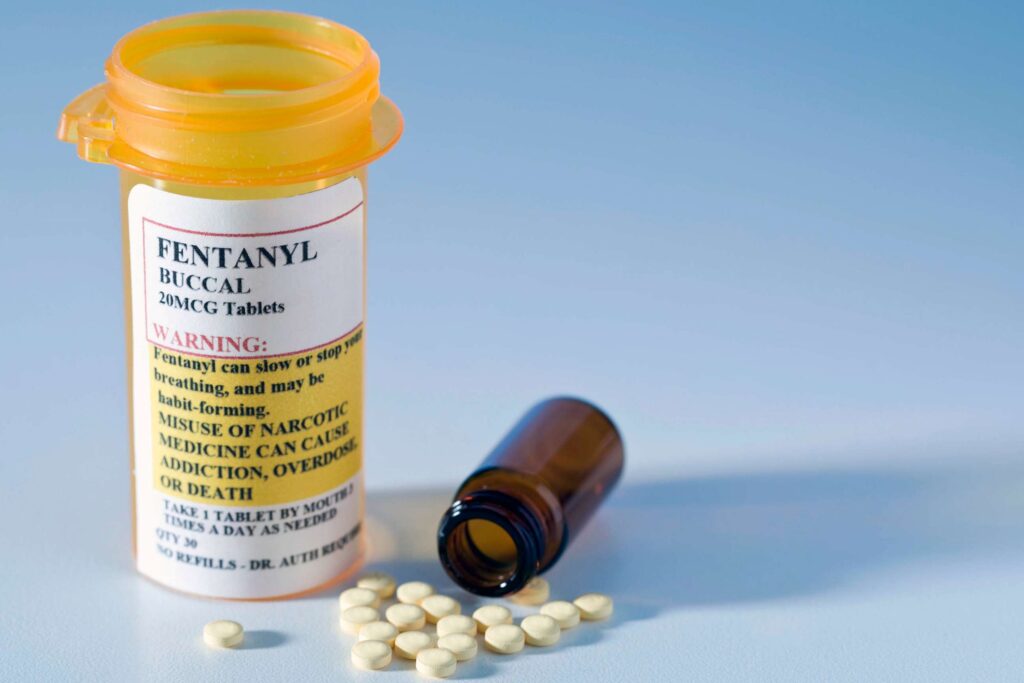
The discussion on fentanyl comes amid a mounting concern in the US over fentanyl-related deaths, which officials have described as a leading cause of mortality among adults aged 18 to 45.
According to https://www.addictiongroup.org/resources/socioecomic-impact-statistics/, nearly 90% of Americans with a diagnosable Substance Use Disorder (SUD) live below the federal poverty line. Drug overdose deaths among adults with no college education grew from about 12 per 100,000 in 2000 to 82 per 100,000 in 2021, far outpacing increases among more educated groups.
85% of the US prison population either has an active substance use disorder or was incarcerated for crimes involving drugs or drug use. US National data consistently show that people in households making under $20,000 per year have significantly higher rates of illicit drug use and alcohol misuse than those earning $75,000 or above.
High-poverty neighbourhoods often see compounded risk factors, such as poor access to healthcare, elevated stress levels, and limited supportive services.
Role of Education
Over the past decade, drug overdose rates have grown more steeply among those without high school or college credentials, reflecting a widening educational gap in addiction outcomes. Lower education often correlates with lower-paying jobs, less healthcare coverage, and poorer awareness of treatment options, reinforcing the cycle of addiction risk.
Multiple studies show that the unemployed have roughly twice the rate of SUDs compared to those in full-time work. Losing a job can trigger stress-related substance use, which can further harm employability.
People struggling with chronic addiction often cycle through jobs due to absenteeism, performance issues, or on-the-job accidents, inhibiting both career growth and financial security.
Economically depressed regions consistently experience some of America’s highest opioid overdose mortality rates. Once considered mainly an urban challenge, the opioid epidemic (including fentanyl) is now deeply impacting rural communities, where treatment facilities and mental health services are scarce.
Surveys indicate that around 38% of homeless individuals struggle with alcohol, and roughly 26% misuse other drugs, substantially higher than in the general population.
Substance abuse can lead to eviction or inability to pay rent, while homelessness itself fosters severe stress and increased exposure to drug-using environments.
Limited Access to Care
Only about 10% of individuals who need substance use disorder treatment receive it, according to national surveys. The most frequently cited reason for not seeking care, reported by roughly 37% of those aware of their SUD, is lack of insurance or inability to afford treatment.
Having public or private health insurance dramatically increases the likelihood of receiving care, including evidence-based approaches such as medication-assisted treatment. US States that expanded Medicaid saw higher admissions for SUD treatment among low-income adults.
Inpatient rehabilitation can cost $14,000–$27,000 for 30 days if paid out-of-pocket, while outpatient programs may still cost several thousand dollars. Individuals with addiction often face job loss or criminal justice expenses, compounding the struggle to fund rehabilitation, therapy, or medications.
Though treatment can seem expensive upfront, research indicates that it saves far more in reducing crime, healthcare, and unemployment costs over the long run.
The US would need to attend to these domestic socio-economic issues before blaming other countries for the profusion of drugs in the country, it is argued. It is pointed out that no drug seller will go to the US if there is no market there. Therefore, while seeking international cooperation, the US will have look inwards.
Dangers to India
India is often referred to as a “global hub for pharmaceutical production”. It plays a significant role in the manufacture of precursor chemicals that can be used in both legitimate medicines and illicit drugs. This dual-use nature has placed Indian companies under increased scrutiny. Reports referencing firms such as Raxuter Chemicals and Vasudha Pharma have drawn attention to the challenges of regulating complex global supply chains.
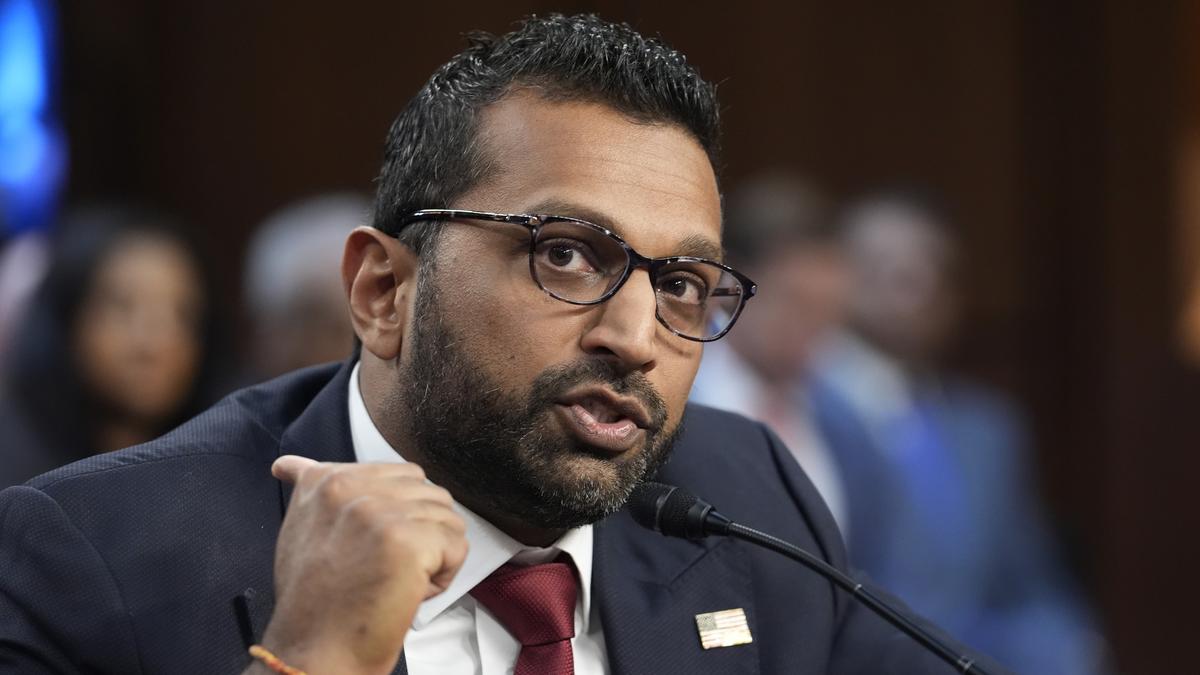
Indian authorities have taken steps to strengthen oversight, including tighter export controls and regulatory mechanisms. Agencies like the Central Drugs Standard Control Organisation (CDSCO) have introduced requirements such as No Objection Certificates for certain chemical exports. These measures have been welcomed by US enforcement agencies, including the Federal Bureau of Investigation, whose Director, Kash Patel, has publicly acknowledged India’s responsiveness.
But the partnership on Fentanyl is taking place within the framework of an asymmetrical geopolitical relationship. The US exerts a significant influence over India through its economic, regulatory, and tariff-setting power. Shifts in US domestic politics could quickly alter the tone of engagement, potentially leading to renewed criticism or trade pressures.
Under the guise of drug control, the US could well arm-twist India for other strategic or economic concessions as it did in the case of Maduro’s Venezuela. Maduro was blamed for drug smuggling when drugs were coming to the US via Mexico and Venezuela. Venezuela was blamed for enabling the US to get access to Venezuelan oil through military action. US troops abducted Maduro and put a pliant leader in power.
Curbs on Indian Pharma Production
As a leading exporter of generic medicines, India must strike a balance between regulatory compliance and maintaining the competitiveness of its pharmaceutical sector in the global market. Some observers warn that overly stringent controls, particularly if influenced by foreign (US) pressure, could impact production efficiency and global supply chains.
Transit Countries Ignored
Another point to note is the role of other countries in the fentanyl supply chain. Trafficking operations are linked to criminal groups in Mexico, which use sophisticated methods such as mislabelling and rerouting shipments through third countries, complicating enforcement efforts.
These conduits and their role in smuggling also need to be taken into account, and appropriate action taken instead of blaming only countries that manufacture drugs, chemicals and their precursors.
END
