
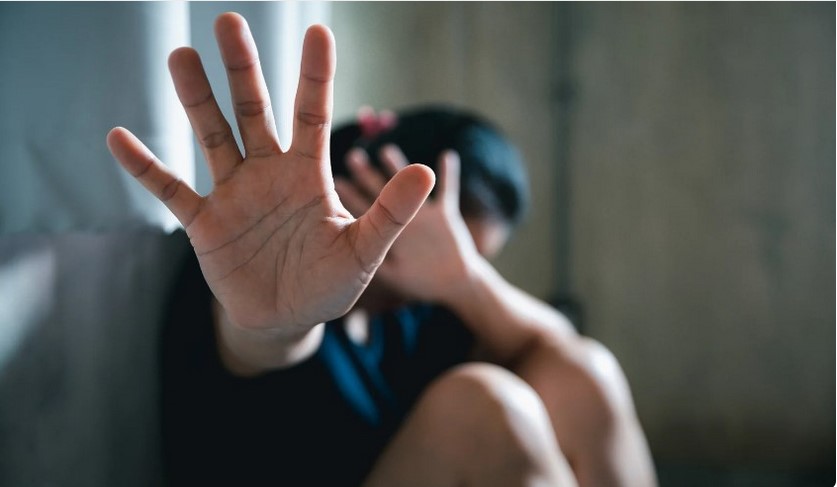

Dhaka, March 8 – In just the first two months of 2025, nearly 400 women and children in Bangladesh have fallen victim to rape, gang rape, and sexual harassment. Among them, 157 are young girls, according to data released by the Bangladesh Mahila Parishad.
The report highlights that 34 women and children, including 17 girls, were subjected to gang rape. Eleven cases occurred in January, and 20 in February. Tragically, three young girls were murdered after being raped during this period.
Additionally, 18 women and children have been victims of sexual harassment, with eight incidents reported in January—including four involving young girls—and 10 in February, six of whom were girls.
Alarming Recent Cases
On Thursday, a seven-year-old girl was raped while visiting her sister’s home in Nijnanduali, Magura.
On Wednesday, a harassment complaint was filed against Mostafa Asif, an assistant binder at the Dhaka University Library, for an incident involving a female student’s scarf at Shahbagh. However, the student later withdrew the case, citing concerns for her family’s safety.
A Society That Blames Victims
In light of these horrifying incidents, concerns about the safety of women and children in Bangladesh, as well as the effectiveness of the judicial system, have resurfaced.
Whenever news of rape or harassment circulates on social media, discussions often shift toward scrutinizing the victim’s clothing rather than addressing the crime itself. Even in cases where women and children face verbal harassment, they are frequently blamed for their attire.
On Wednesday, following the “scarf incident,” the group Touhidi Janata blamed women’s clothing for sexual violence. Disturbingly, they also issued threats—including rape and murder—against the female student after she withdrew her complaint.
Bangladesh’s senior journalist Zayma Islam also shared her own experience of harassment based on her clothing. In a Facebook post, she wrote:
“These people are opportunists—they assess risks before attacking. Little girls, young nieces, and young maids are seen as low-risk targets. If I could ask for one thing from the oppressive men of Bangladesh, it would be our bodies.”
The Real Issue: Lack of Justice
Dr. Fauzia Moslem, president of the central committee of the Bangladesh Mahila Parishad, strongly refuted the notion that clothing plays a role in sexual violence.
“A woman’s clothing can never be blamed for sexual harassment or rape. If that were the case, why would four- and six-year-old girls be victims? Even women wearing burqas face harassment on the streets. The issue is not clothing; the real problem is the lack of justice. Perpetrators do not fear the law, which is why these crimes continue to occur repeatedly.”
Her statement underscores a systemic failure—one in which a culture of impunity allows these horrific crimes to persist unchecked.
Urgent Need for Reform
The rising cases of sexual violence in Bangladesh demand immediate action. Strengthening legal frameworks, ensuring swift and strict punishment for perpetrators, and shifting societal attitudes away from victim-blaming are crucial steps in addressing this crisis.
Without proper legal action and a commitment to justice, women and children will continue to live in fear, and such tragedies will only repeat themselves.
https://www.dhakatribune.com/375685
Protest against rape, violence demands removal of home adviser
A group of women held a protest in front of the National Parliament in Dhaka against harassment, assault, and violence on Friday. They demanded the removal of Home Affairs Adviser Lt Gen (Retd) Md Jahangir Alam Chowdhury for his “irresponsible and misleading” statements.
The protest, organized under the banner “Women Against Violence on Women”, highlighted recent incidents of harassment, assault, and cyberbullying against women across the country.
Women protest outside Dhakas National Parliament against violence and harassment, demanding the removal of Home Affairs Adviser Jahangir Alam Chowdhury, Friday, March 7, 2025. Photo: Mehedi Hasan/ Dhaka TribuneWomen protest outside Dhakas National Parliament against violence and harassment, demanding the removal of Home Affairs Adviser Jahangir Alam Chowdhury, Friday, March 7, 2025. Photo: Mehedi Hasan/ Dhaka Tribune
Speakers expressed concern over a pattern of systematic violence and intimidation against women, questioning their safety.
The protest highlighted incidents such as attacks on sex workers in Shyamoli, public harassment and abuse of two students in Lalmatia, harassment of a student over clothing at Dhaka University, assaults on girls’ football fields in Rangpur and Joypurhat, continuous oppression of ethnic minority women, and daily harassment of women in various areas in Dhaka.
The protest highlighted the growing frustration with the interim government’s failure to address ongoing violence against women. Despite promises of justice, freedom, and equality, the government has not taken effective steps to protect women, and its inaction has only worsened the situation.
The statements made by key government figures, including Home Affairs Adviser Jahangir Alam Chowdhury and Environment Adviser Syeda Rizwana Hasan, were criticized for spreading misinformation and adding to the confusion, rather than reassuring the public.
Protesters demanded that immediate action be taken to stop organized attacks on women, curb hateful rhetoric, and hold the media accountable for their role in misrepresenting violence and protests.
The protesters specifically called for the removal of Jahangir Alam Chowdhury, accusing him of eroding public trust with his misleading comments. The rally ended with a strong declaration that the protest would continue until women’s rights to live safely and with dignity were fully protected.
Five key demands:
The removal of Home Affairs Advisor Jahangir Alam Chowdhury, identified as an “instigator” of violence against women.
The interim government must fulfill its responsibilities and take urgent measures to ensure women’s safety.
The government and law enforcement must be held accountable for their failure to prevent mob violence, targeted attacks, harassment, and rape, and must take strict action to stop these incidents.
The media must stop spreading misinformation and play a responsible role in shaping public opinion.
Measures must be taken to end cyberbullying, with exemplary punishment for offenders.
https://www.dhakatribune.com/375684
END
