

By Veeragathy Thanabalasingham
Colombo, June 28 -One of the most famous sayings attributed to the 18th-century German philosopher Georg Wilhelm Friedrich Hegel is, “What we learn from history is that we do not learn from history.” This was notably quoted by Robert McNamara, U.S. Secretary of Defense during the Vietnam War, which ended over half a century ago. McNamara later served as president of the World Bank.
Major military powers, including the United States, repeatedly fail to heed historical lessons. Rather than correcting past mistakes, they continue aggressive policies in pursuit of global dominance. The belief that military force ensures security persists, despite history demonstrating its futility.
The U.S. achieved little in the Vietnam War beyond immense loss of life. Decades later, the U.S. faced a similar defeat in Afghanistan. Invading in 2001 to dismantle al-Qaeda and defeat the Taliban, the U.S. withdrew in 2021, leaving Afghanistan under Taliban control. The 2003 invasion of Iraq, justified by claims of weapons of mass destruction, yielded no such weapons and destabilized the region. Similarly, the U.S.-led intervention in Libya in 2011, intended to protect civilians from Gaddafi’s regime, left the country without a stable government 14 years later.
Recent U.S. and Israeli actions against Iran reflect this pattern. Despite U.S. intelligence and the International Atomic Energy Agency (IAEA) stating in early 2025 that Iran lacks an active nuclear weapons program, President Donald Trump and Israeli Prime Minister Benjamin Netanyahu authorized bombings of Iran’s nuclear and military facilities in June 2025. These actions, which disrupted diplomatic talks, echo the missteps of the 2003 Iraq invasion under President George W. Bush and British Prime Minister Tony Blair. Trump’s claim that Iran’s nuclear facilities were “obliterated” and his subsequent ceasefire declaration have not stabilized the region. Iran’s weakened military responded with missile attacks on U.S. and Israeli targets, while Israel maintained control over Iranian airspace for nearly two weeks.
Israel’s refusal to sign the Treaty on the Non-Proliferation of Nuclear Weapons (NPT) remains unaddressed by the U.S., highlighting a double standard. Some analysts argue that Iran’s lack of nuclear weapons invited the attack, suggesting that a nuclear-armed Iran might have deterred aggression. Meanwhile, Netanyahu’s actions appear tied to domestic political survival, as he opposes U.S.-Iran diplomacy to maintain regional tensions.
Trump, who campaigned on avoiding wars, has escalated conflicts early in his second term, creating global instability. His administration’s mixed signals—demanding Iran’s surrender while claiming diplomatic intent—complicate negotiations. Iran’s Supreme Leader Ayatollah Ali Khamenei has threatened further retaliation and hinted at exiting the NPT, signaling deeper tensions.
Elsewhere, Trump’s claim of brokering a May 2025 India-Pakistan ceasefire in Kashmir is disputed, with India crediting its military’s efforts. Pakistan’s nomination of Trump for the 2026 Nobel Peace Prize, following his meeting with its military commander, appears politically motivated and has drawn skepticism.
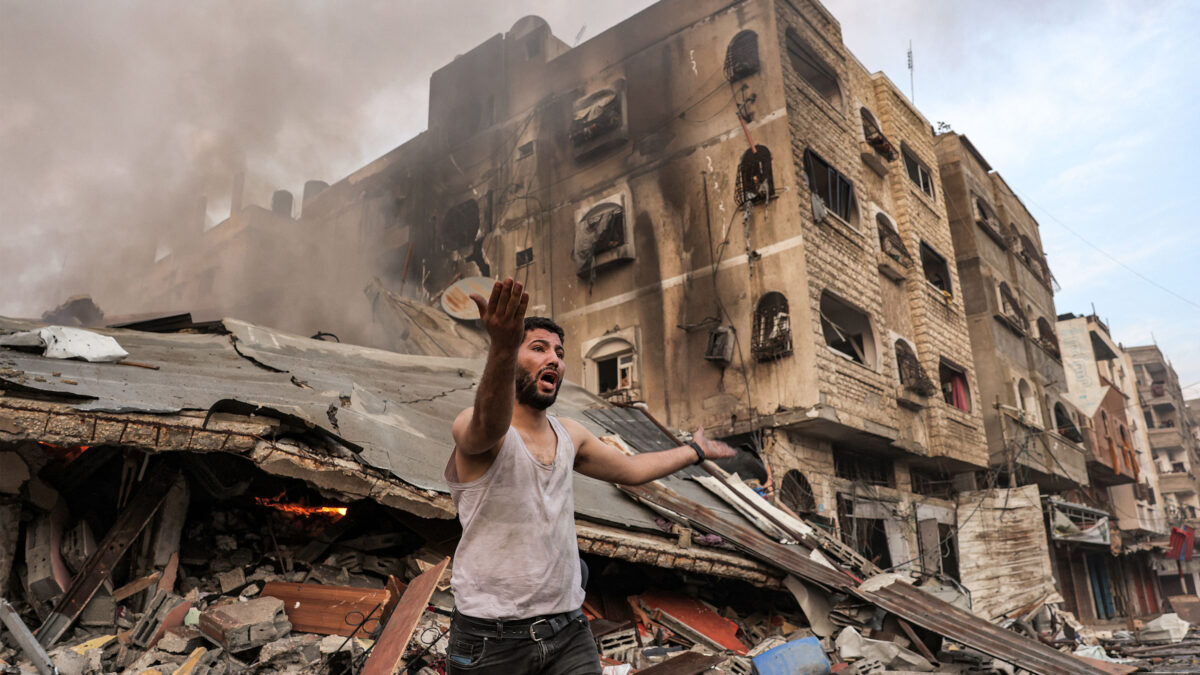
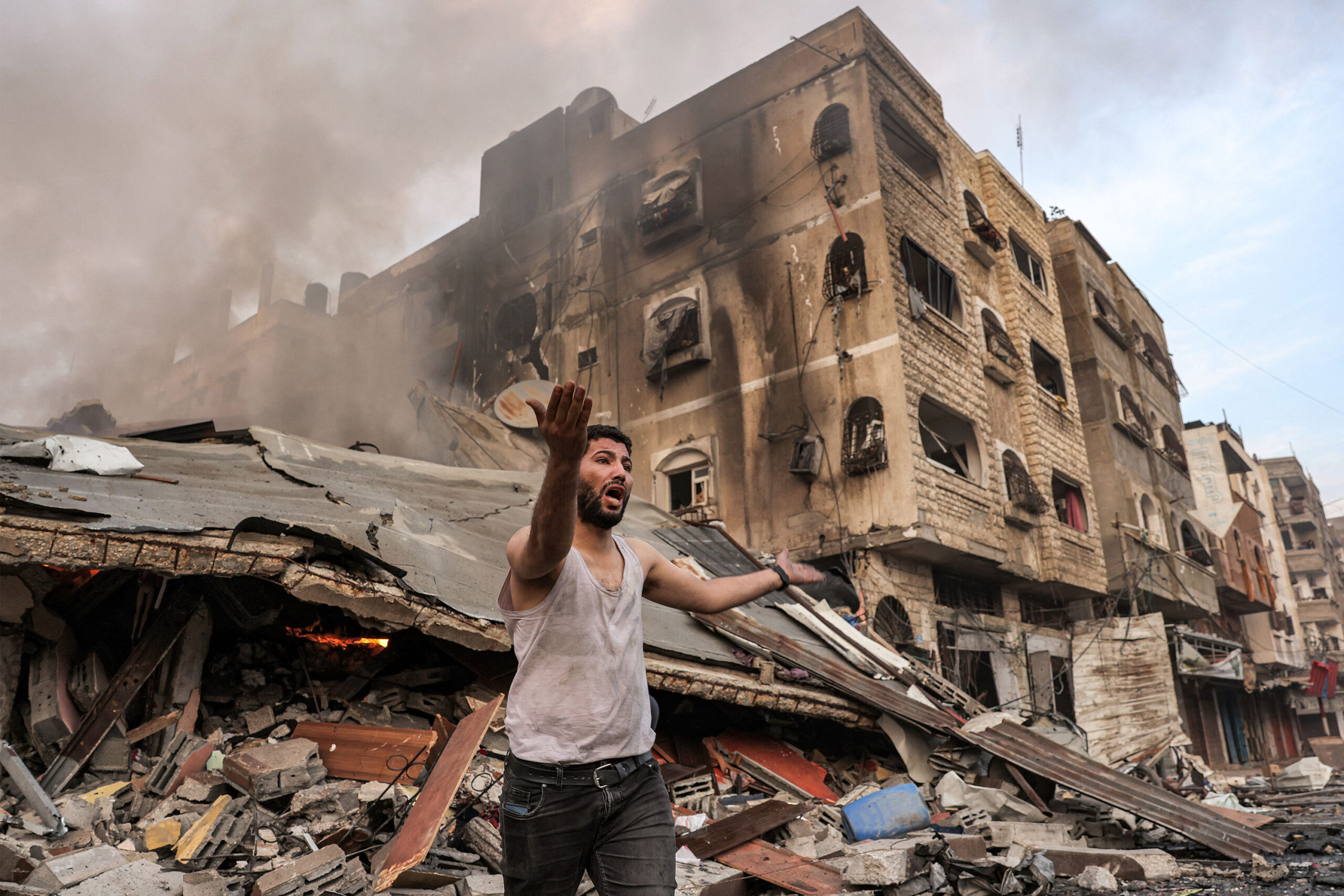
The U.S. and Israel’s actions in the Middle East, including support for Israel’s ongoing campaign in Gaza, challenge the notion of a rules-based international order. Israel’s destruction of Gaza, coupled with plans to displace Palestinians, has been widely criticized but met with global inaction. The United Nations and major powers like China and Russia have expressed concern but failed to intervene effectively. The International Criminal Court’s arrest warrant for Netanyahu has had little impact.
The Palestinian crisis, exacerbated by Hamas’s October 7, 2023, attack on Israel and the subsequent war, underscores the international community’s paralysis. The Tamil polity in Sri Lanka, seeking accountability for alleged war crimes during its civil war, faces similar challenges in relying on a seemingly indifferent global system.
History shows that military interventions rarely achieve their stated goals, yet major powers persist in repeating these errors. Until they learn from the past, the cycle of conflict and suffering will continue.
(The writer is a senior Colombo-based journalist)
END
