

By P.K.Balachandran/Daily Mirror
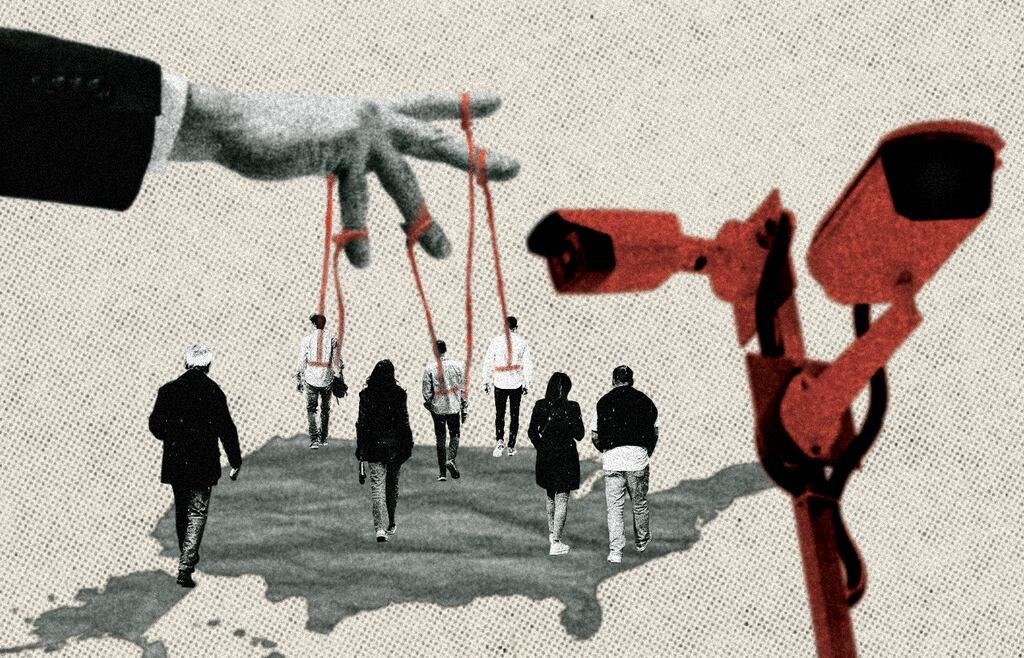
Colombo, August 5 – There are two kinds of cross-border invasive action one sees today – cross border terrorism and transnational repression. The former is perpetrated by non-State actors and the latter by States. Even as the world is tying to find ways to check cross-border terrorism, transnational repression has gained ground in Western democracies, requiring attention.
While cross border terrorism grabs attention instantly because it is violent and is intended to shock the adversary, transnational repression is covert and insidious. But it is equally disturbing, with wide implications and a long-term impact.
Western democracies like US, Canada, UK and Australia are now facing Transnational Repression (TNR) perpetrated by non-democratic countries. The latter, unwilling to accommodate dissent at home, target dissenters taking refuge in democratic countries.
UK Parliamentary Panel’s Report
A British parliamentary committee recently reported on the threat to the UK from TNR allegedly practiced by several countries, but principally Russia, China and Iran.
The committee headed by Lord Alton of Liverpool urged greater domestic attention and coordinated international action to curb the menace which it said impinges on UK’s security and commitment to democracy. The report said that TNR undermines UK’s ability to protect the human rights of its citizens and those who have sought safety within its borders.
Excerpts from the Report:
TNR has a serious impact on those targeted, instilling fear, limiting their freedom of expression and movement. Last year, the number of state-threat investigations run by MI5 jumped by 48%. MI5 and the Counter Terrorism Police (CTP) had dealt with more than 20 threat-to-life cases relating to Iran since the start of 2022.
There had also been several recent high-profile TNR cases, including the issuance of bounties against Hong Kong pro-democracy activists and Iran’s intimidation of UK-based journalists. The parliamentary committee itself received 181 written evidence submissions, 91 of which were published.
Forms of TNR
TNR can take many forms, the report said. It could include harassment, online disinformation campaigns, surveillance, stalking, physical violence, threats to family members, attempts to force individuals to return to their country of origin and even assassination attempts.
Chilling Effect
The UK government had said that TNR is “specific and targeted” and does not affect “large numbers” of people. But in the committee’s view the impact of TNR extends far beyond recorded cases. TNR can also have a wider ‘chilling effect’ on freedom of expression across entire communities. The fear of retaliation can discourage individuals and groups from engaging in political discourse, participating in public life, or expressing dissenting views.
“Perpetrating States are acutely aware of this fear, which can spread through communities, so they need not commit flagrant and widespread TNR to achieve their desired impact,” the committee reasoned.
Under Reported
The true scale of TNR is underestimated due to high amounts of underreporting and the often-covert nature of TNR activities. Framing TNR as a marginal issue may risk overlooking its serious and far-reaching human rights implications, the report warned.
“TNR can have a profound and lasting impact on those targeted. Individuals with personal experience described how TNR effects every aspect of their lives”, the report said citing the case of a Chinese woman.
A targeted Chinese said that she has become extremely cautious of strangers approaching her. “If someone suddenly tries to make friends with me or approaches me unexpectedly, my first thought is no longer trust but suspicion. I will ask myself, Are they working for Chinese authorities, or are they trying to get intelligence or information about me?”
Misuse of INTERPOL
The committee said that it is deeply concerned about the misuse of INTERPOL Red Notices by certain member states.
“Refusal by the INTERPOL secretariat to acknowledge that there is a problem and to take remedial action poses a significant threat to the rights and freedoms of individuals targeted by authoritarian regimes and sends a message that this behaviour is acceptable.”
“Wecall on the Government to put pressure on INTERPOL to reform procedures and call out serial abusers. We also propose that the Government consider introducing a formal mechanism by which the Home Office or the National Crime Agency could alert individuals to the existence of a Red Notice, where there is a strong basis to believe it has been politically motivated,” the report said.
The committee urged the Government to work with likeminded states to support efforts to elevate TNR as a priority issue on the UN agenda and to promote coordinated international action against its use by authoritarian regimes.
Countries of Concern
The report said that multiple evidence submissions accused Bahrain, China, Egypt, Eritrea, India, Iran, Pakistan, Russia, Rwanda, Saudi Arabia, Turkey and the United Arab Emirates of perpetrating TNR in the UK. However, the report’s focus was on Russia, China and Iran identified as the principal perpetrators.
India has trashed the allusion to it saying that the committee’s sources are dubious. Some countries have imposed sanctions on UK Parliamentarians, including two members of the Committee.
China
Tactics employed by China include surveillance, online harassment, and threats to family members. China has allegedly placed ‘bounties’ on several individuals, including Chloe Cheung, offering $HK 1 million for information leading to their capture.
In some cases, threatening letters were reportedly sent to the neighbours of individuals who had bounties placed on them in an apparent attempt to further isolate and intimidate them.
Concern was also raised about the operation of unofficial Chinese “police stations” in the UK, which were allegedly used to monitor and pressure members of the Chinese Diaspora.
Russia
About Russia, the Committee said it received evidence related to the misuse of INTERPOL Red Notices and Strategic Lawsuits Against Public Participation (SLAPP) to intimidate and silence journalists, activists, and other critics. Commentators also highlighted that Russia has engaged in the most serious forms of transnational repression, including taking actions that pose a direct threat to life.
High-profile TNR incidents, such as the Salisbury nerve agent attack on Sergei and Yulia Skripal, can create a ‘chilling effect’ amongst critics of the Russian State, the report said.
Iran
The Homeland Security Group described the threat of physical attack on individuals in the UK as “the greatest level of threat we currently face from Iran”. Tactics reportedly used by Iran include assassination plots, physical attacks, intimidation of family members, asset freezing, judicial proceedings, smear campaigns, online abuse, surveillance and digital attacks such as hacking and doxing.
Doxing is an action or process of searching for and publishing private or identifying information about a particular individual on the internet, typically with malicious intent.
Hossein Abedini, Deputy Director of the National Council of Resistance of Iran, told the Committee that ‘cultural centres’ in the UK are used as fronts for surveillance operations targeting members of the Iranian diaspora.
The volume of transnational repression reports involving journalists covering Iran is also a particular cause for concern. Reporters without Borders told the panel that: “ Iranian women journalists have been subjected to gendered and sexualised abuse, including explicit threats of rape or sexual violence towards them or their families (including children), the circulation of fake stories designed to ruin their reputations and photo-shopped pornographic images.”
Two-Tier UK Law
The National Security Act 2023 created new offences relating to foreign interference in the UK. The National Security Act 2023 introduced the Foreign Influence Registration Scheme (FIRS).
The FIRS requires individuals and organisations to register where they are directed by any foreign power to carry out, or arrange for someone else to carry out, political influence activities in the UK. Those who fail to register these types of activities risk five years’ imprisonment and/or a fine.
END
