


By Zahrah Imtiaz/Asian Agribiz
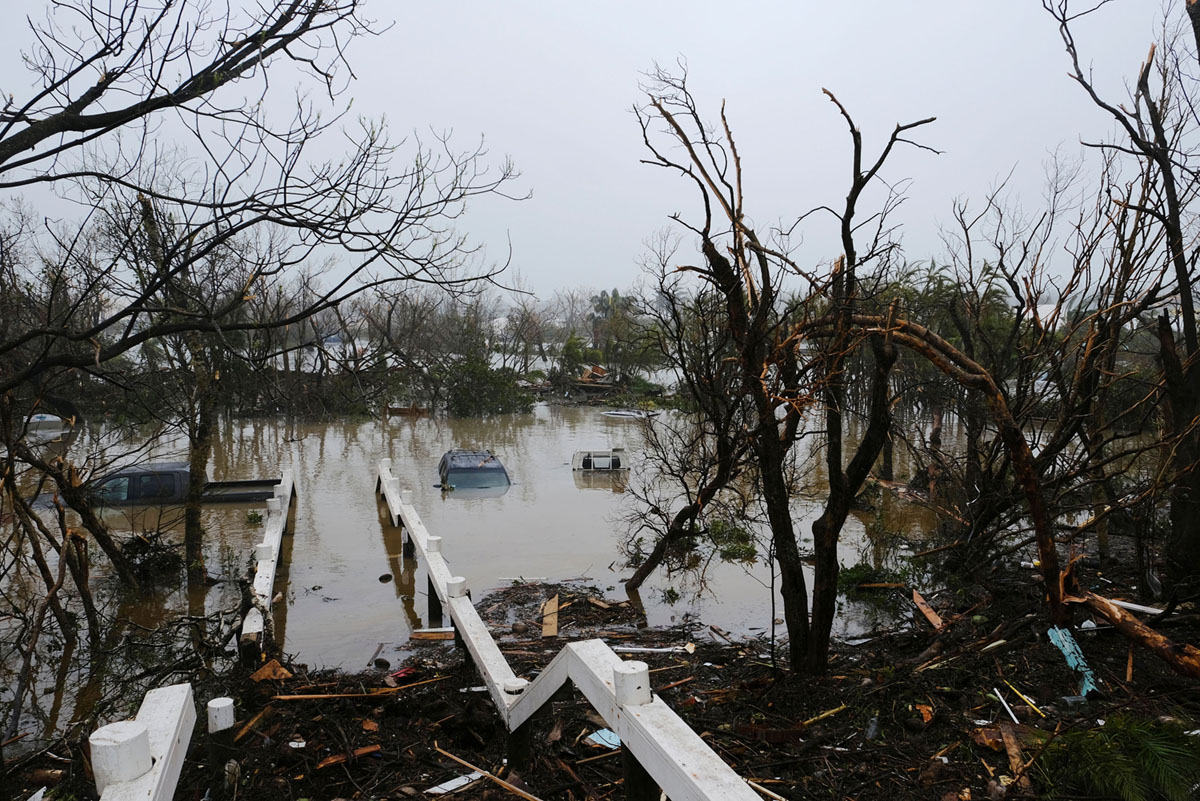
Colombo, December 15- Not too long ago, I wrote about the risks of climate change to livestock farming, and today Sri Lanka is reeling from an unprecedented natural disaster that has dealt a heavy blow to the country’s livestock sector.
At the time of writing, the full extent of the damage is unknown; however, what is certain is that the road to recovery will be long and arduous. Cyclone Ditwa has not spared humans or chickens, and the poultry industry, which was looking to end the year on a high note, has been set back years.
South Asia’s Vulnerabilities
According to the World Bank, South Asia is a region “vulnerable to climate change impacts. This includes floods, droughts, cyclones, and extreme heatwaves, which together pose a significant risk to its growth trajectory, infrastructure, and people’s livelihoods.” They estimate that by 2030, the region could, on average, lose USD 160 billion from the impacts of climate change.
In Sri Lanka, the recent cyclone taught us that the agriculture sector has been minimally prepared for disasters. When examining poultry farms, floods have destroyed poultry houses, cut off access to farms, making the delivery of essentials like feed difficult.
In addition, loss of power to areas meant that birds in closed houses were highly vulnerable. Furthermore, farm workers have struggled to cope with the unfolding disaster, with limited resources to mitigate the damage. More importantly, it is uncertain whether these farms were adequately financially insured to withstand the unfolding losses from the disaster.
Hence, this is a good time to reassess Sri Lanka’s and South Asia’s strategies for addressing climate change-related risks. The frequency of natural disasters is only going to rise, but can we bring our losses to a manageable level?
Climate Financing
International organizations, such as the World Bank, have been promoting schemes like climate financing for some time now. They have seen Bangladesh, for example, become a global pioneer in community-based adaptation by developing sophisticated early warning systems and climate-resilient agriculture practices.
“The country’s cyclone preparedness program, which combines traditional knowledge with modern technology, has dramatically reduced casualties: from 500,000 in the 1970 Bhola cyclone to less than 5,000 for recent events.”
They have introduced the World Bank Group’s South Asia Climate Roadmap to help the region ramp up its climate action in key transitions, with one of the main areas being the transition of agriculture, food, water, and land systems to become more climate resilient.
They are also leading the pack in climate financing, a vital area that meat companies and the agricultural sector can explore when it comes to accessing resources that can make their farms climate resilient.
The World Bank notes that South Asia is becoming a key market for climate financing as companies need to integrate climate resilience in their long-term planning. Pakistan introduced its first National Climate Finance Strategy (NCFS) at COP29, a framework designed to mobilize resources for adaptation and mitigation in key sectors, including agriculture, energy, and urban infrastructure.
Similarly, Bangladesh partnered with multilateral banks and international partners to establish the Bangladesh Climate and Development Platform in 2023, aiming to develop climate projects in conjunction with effective financing strategies.
They also see growing interest from private capital in investing in this sector.
The World Bank noted, “they emphasized the need to elucidate the financial returns of resilient investments and strategically leverage tools like blended finance, risk-sharing mechanisms, and regulatory incentives to de-risk projects and attract private capital. This momentum aligns with South Asia’s growing recognition of climate finance as a critical enabler of resilience.”
This year has seen a spate of natural disasters in South Asia and other parts of Asia as well. As we look to rebuild, let’s also rebuild stronger and more resilient systems that can face the most unpredictable of risks: our changing climate.
END
