

By P.K.Balachandran/Daily Mirror
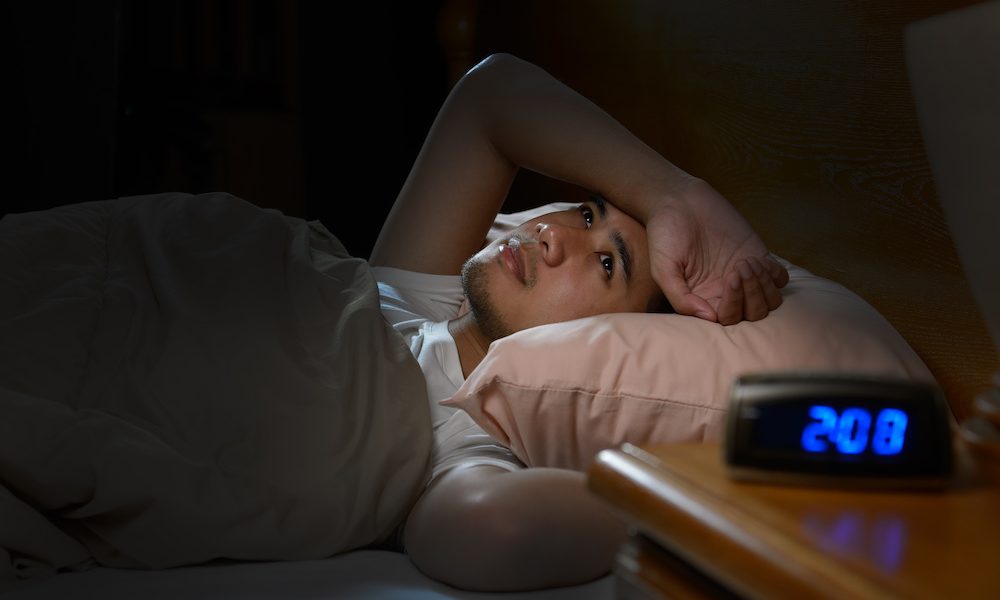
Colombo, November 18 – Rapidly changing lifestyles, new work compulsions, soaring career and social ambitions and even daily chores like getting up early to send children to school, are depriving people of the required period of sleep in developed as well as developing countries, Sri Lanka included.
A 2018 study done in Colombo found that the average sleep duration was only 6.0 hours per night, though the self-reported period was 6.4 hours. Even that is well below the recommended 7–9 hours for adults.
Sleep deficiency is linked to a wide range of Non-Communicable Diseases (NCD). Sleeplessness is a contributor to Sri Lanka’s high cardiometabolic disease burden. This basket includes heart attack, stroke, angina (chest pain) and other disorders of the vascular system. Insulin resistance, diabetes and non-alcoholic fatty liver disease are also linked to cardiometabolic diseases. These diseases account for 80 to 90 percent of deaths in the island.
Cardiometabolic risk factors include, obesity (waistline 40 inches or more in men, 35 inches or more in women), high fasting triglycerides; low ‘good’ HDL cholesterol; and elevated blood pressure.
Inadequate sleep leads to hypertension and diabetes. Sleep deprivation contributes to impaired cognition, accidents, reduced productivity, and worsened mental health which are issues amplified in Sri Lanka by urbanization, shift work, stress from economic instability, and high NCD prevalence.
Psychiatric patients have sleep disorder symptoms in 40% of the cases. Menopausal women and older adults also show elevated risks of insomnia, obstructive sleep apnea, and restless legs syndrome. Sleep apnea is a potentially serious sleep disorder in which breathing repeatedly stops and starts. If one snores loudly and feels tired even after a full night’s sleep, it might be sleep apnea.
Official surveillance (WHO STEPS surveys in 2006, 2015, 2021) and national NCD policy focus on behavioural risks (e.g., physical inactivity affects a notable portion of adults), but sleep is not included as a core monitored risk factor.
Mental Health
Mental health has emerged as a growing public health concern in Sri Lanka, particularly since the 2022–2023 economic crisis. Before the economic crisis (2018–2019) about 2.9 to 3.3% of adults had reported high mental distress or depressive disorders. Overall, mental disorders (excluding substance use) affected 11.9% of the population, with anxiety at 4.5%.
But in the post-economic crisis period, high mental distress more than doubled to 6.1% by 2021–2022. For adults aged 20 plus, prevalence reached 13.3%.
Mood disorders (e.g., depression) have become particularly prominent, aligning with global increases but amplified locally by economic precarity.
Suicide Rate
Sri Lanka once had one of the world’s highest suicide rates (peaking at 35–47 per 100,000 in the 1990s, largely due to pesticide self-poisoning. Bans on highly hazardous pesticides since the 1990s contributed to a sharp decline. Recent data (2020–2022) indicate a rate of 15–15.6 per 100,000, driven largely by economic insecurity. However, as of late 2025, trends indicate a need for urgent investment in accessible, stigma-free mental services amid gradual economic recovery.
Students from families with low socio-economic backgrounds reported greater sleep problems. Poor sleep can affect the immune function and metabolism and cause poor physical health, adding to the psychological distress.
A study conducted in the Jaffna Teaching Hospital by Afrin Shafeef and colleagues found that among the 427 participants, 60.2% had a poor sleep pattern. The use of smokeless tobacco products and using screens (mobile phone screens) within one hour before sleep were found to have a statistically significant association with poor sleep patterns.
A study by A.R.Jayamaha in 2022 entitled “Physical activity, sedentary behaviour and sleep of Sri Lankan adults” found that of the 100 participants, most had sleep issues because they were physically inactive, with much of their day spent in sedentary pursuits.

Among Colombo Undergraduates
S. Thakshila and C. Suraweera explored the relationship between quality of sleep, stress, depressive and anxiety symptoms, and coping strategies among first-year female students of the University of Colombo. 82.5% of these had poor objective and subjective quality of sleep. There was a strong positive correlation between sleep quality and stress, and 57.6% of the poor sleepers were found to be stressed.
The occurrence of stress was positively correlated with the use of self-blame. There was also a statistically significant correlation between quality of sleep and coping strategies.
95% of the students of the Faculty of Law experienced poor quality of sleep. However, the highest correlation between sleep quality and stress was seen among students from the Faculty of Medicine, where the highest percentage of students (61.9%), were stressed
Among Medical Students
Before the economic crisis, a study in six Sri Lankan medical schools reported that 62% of their students had distress symptoms. During the COVID-19 pandemic, 78.2% of female medical undergraduates were psychologically distressed.
In their 2024 paper entitled “Psychological Distress and Sleep Quality Among Sri Lankan Medical Students during an Economic Crisis” Liyanage and her colleagues said that poor sleep was reported from 41% of the respondents. 69.2% of medical undergraduates had some form of distress that could be either depression or anxiety or stress. 23% reported all three forms of distress.
Anxiety was the most prevalent (50.7%) which was in association with sleep deficiency.
Heavy Workload
The workload is heavier in medical colleges than in other faculties. Medical students have less time for family and friends, hobbies, or personal care. Burnout is frequent. Medical students experience more mental health issues than their peers in other faculties, the authors say.
Clinical-year medical students had lower depression and anxiety scores compared to pre-clinical students. In the clinical stage of medical courses, the topics have practical relevance. There is also improved coping mechanisms and greater experience in dealing with the curriculum. These could have been the reasons for less distress in the later years of medical education.
Interestingly, no gender difference in psychological distress was observed in the study of medical students.
Obsession With Social Media
Excessive social media use was directly linked to depression, anxiety and stress in all categories of people. Previous reports had shown that time spent looking at the screen, the number of social media accounts, frequency of checking for messages were linked with depression, anxiety and psychological distress.
The main concern with social media use is that it can lead to negative experiences such as cyberbullying, misinformation, privacy issues and invidious comparisons resulting in psychological stress.
Contact with family and friends is a protective shield against psychological distress. The more frequent the contact with family and friends, lower the distress, the authors say. Therefore, adequate social and family support can enhance emotional security, a sense of belonging, resilience, coping mechanisms and stress reduction.
Value of Mindfulness
Similarly, engaging in “mindfulness” activities reduced the depressive symptoms in the study subjects. Mindfulness activities are practical and efficient in reducing psychological distress.
A non-randomized controlled trial among psychology undergraduates using a brief mindfulness training demonstrated significantly lower levels of depression and significantly higher levels of subjective happiness in the experimental group than the control group.
END
