


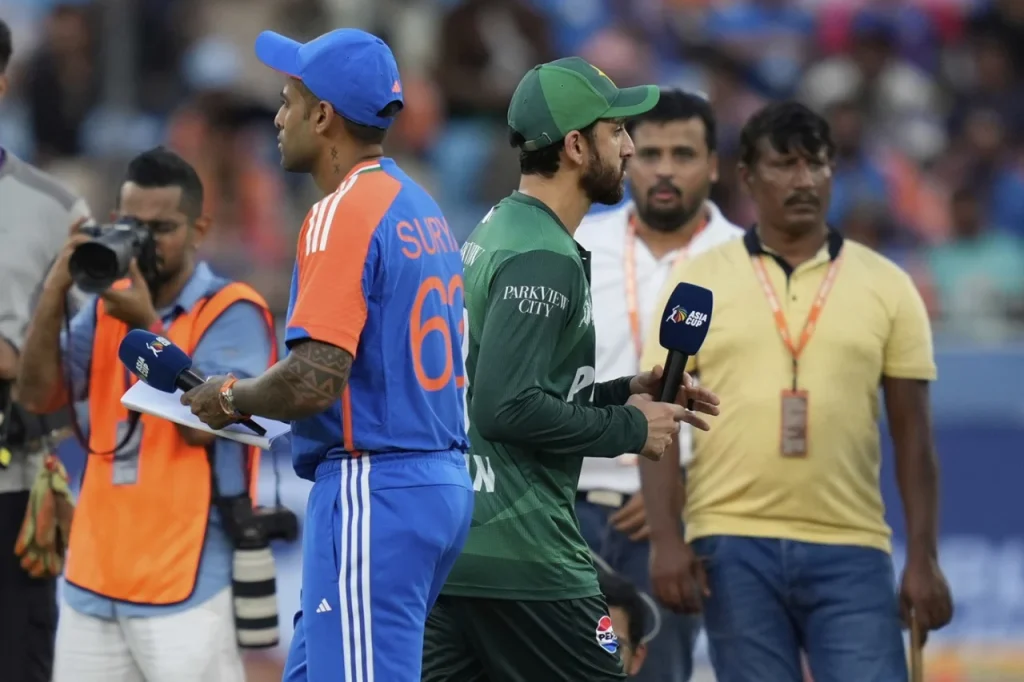
Dhaka, February 2 (TOB) – The cricket world is heading toward an unusual situation after Pakistan decided not to play India in the upcoming ICC Men’s T20 World Cup following a government directive. The Pakistan government has said the team will still take part in the tournament, but the India match is under question.
The India-Pakistan game is the biggest draw in world cricket. It brings massive revenue for the ICC, broadcasters, sponsors, and boards. Analysts estimate that a boycott could cause losses of around USD 500 million, which is roughly Tk 6,100 cr, across the cricket economy.
India and Pakistan have not played a bilateral series since 2012 due to political tensions. Since then, the two teams have only met in multinational events such as the World Cup and Asia Cup. The ICC and ACC have always tried to ensure these matches happen because of their sporting and commercial value.
On the field, India has enjoyed the upper hand in global events. In the T20 World Cup, India has beaten Pakistan six times out of eight matches. Pakistan has won once, while one match ended in a tie in the 2007 edition.
This time, the issue goes far beyond results. A possible withdrawal could send financial shockwaves. The estimated Tk 6,100 cr impact includes broadcasting rights, sponsorship deals, premium advertising, ticket sales, and legal betting revenue.
Broadcasters and rights holders would face the biggest hit. The global rights holder for ICC events is Disney Star. It was expected to earn around INR 300 cr from advertising during the India-Pakistan match alone. Internally, a single World Cup match is valued at around INR 138.7 cr on average.
Advertising rates show why the match matters so much. During the 2017 ICC Champions Trophy final, a 10-second ad slot sold for about USD 12,000. This rose to USD 20,000 in the 2021 T20 World Cup and USD 25,000 in the 2022 edition.
In the last Champions Trophy, the rate for India-Pakistan matches jumped to USD 45,000. For the upcoming T20 World Cup, the price is reportedly set at USD 55,000, which equals around Tk 67.57 lakh for just 10 seconds of airtime.
Advertisers pay these prices because the returns are huge. When India played Pakistan in the last Champions Trophy, the match recorded 26 billion minutes of TV viewership. That alone made up more than one-tenth of the tournament’s total viewership.
Ticket sales also underline the scale. For the India-Pakistan match at the R Premadasa Stadium in Colombo, ticket prices ranged from USD 31 to USD 650. For other matches, tickets started at just USD 5. Fans who booked flights and hotels around the world now face losses, even if match tickets are refunded.
Reports say official broadcaster JioStar has asked the ICC for rebates if Pakistan does not play the match. If that happens, the ICC would have to absorb the financial blow. This could strain relations with broadcasters and sponsors and reduce the value of future media rights.
India-Pakistan is no longer just a cricket match. It is the financial engine of global tournaments. If the match does not happen, ICC revenue will fall. That would affect revenue sharing with all member nations, especially associate members who depend heavily on ICC funding.
Under the 2024–2027 financial model, the PCB earns about 5.75 percent of ICC revenue, which is roughly USD 34.5 million a year. This income depends on participation and compliance, both of which could be affected by the boycott.
Both the PCB and BCCI could lose around INR 200 cr each. A single India-Pakistan match can generate 10 to 20 percent of a World Cup’s total revenue, placing the ICC itself at financial risk.
The ICC has warned about long-term consequences. On Sunday, it said, “The ICC hopes that the PCB will consider the significant and long-term implications for cricket in its own country, as this is likely to impact the global cricket ecosystem, which it itself is a member and beneficiary of.”
After Pakistan announced it would not play the match scheduled for February 15, the ICC added, “While the ICC respects the roles of governments in matters of national policy, this decision is not in the interest of the global game or the welfare of fans worldwide, including millions in Pakistan.”
Earlier, the Pakistan government said, “The Pakistan cricket team shall not take the field in the match scheduled on 15 February 2026 against India.”
PCB officials and Pakistani media say the move reflects concerns over what they call ICC double standards. They point to Bangladesh’s removal from the tournament following a dispute over playing conditions in India. Pakistan’s stance is seen as a response to the ICC’s refusal to change Bangladesh’s fixtures.
So far, Pakistan has not formally notified the ICC about the boycott. The ICC has also not taken a final decision. Until clarity arrives, cricket’s richest fixture remains in limbo, with Tk 6,100 cr hanging in the balance.
END
