

By P.K.Balachandran/Daily News
Colombo, January 27 – Cricketing relations between India, Pakistan and Bangladesh are marred by geopolitical rivalries and nationalistic politics, to the detriment of cricket and to the dismay of the cricket-loving people of the Indian subcontinent.
Given the deep differences over issues like Kashmir and cross-border terrorism and the wars fought over these issues from time to time, India and Pakistan stopped playing cricket matches on each other’s soil, though they have been playing against each other in third countries. But after the May 2025 brief aerial war again over the same issues of Kashmir and cross border terrorism, the Indian team does not shake hands with the Pakistanis.
Be that as it may, the cricket bodies of India and Bangladesh had no issue with each other for decades till a student-led revolution overthrew the pro-India government of Sheikh Hasina in August 2024. The resultant political standoff between government of India and the Interim Government of Bangladesh led by Dr. Muhammad Yunus has hampered cricketing relations too.
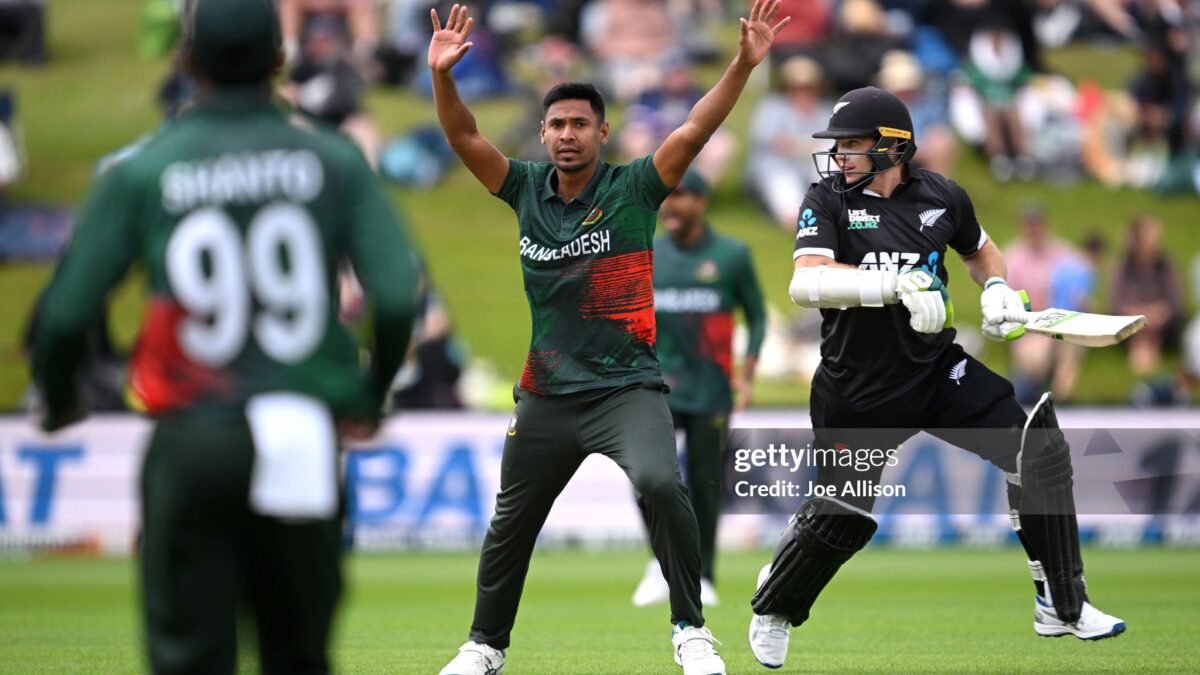
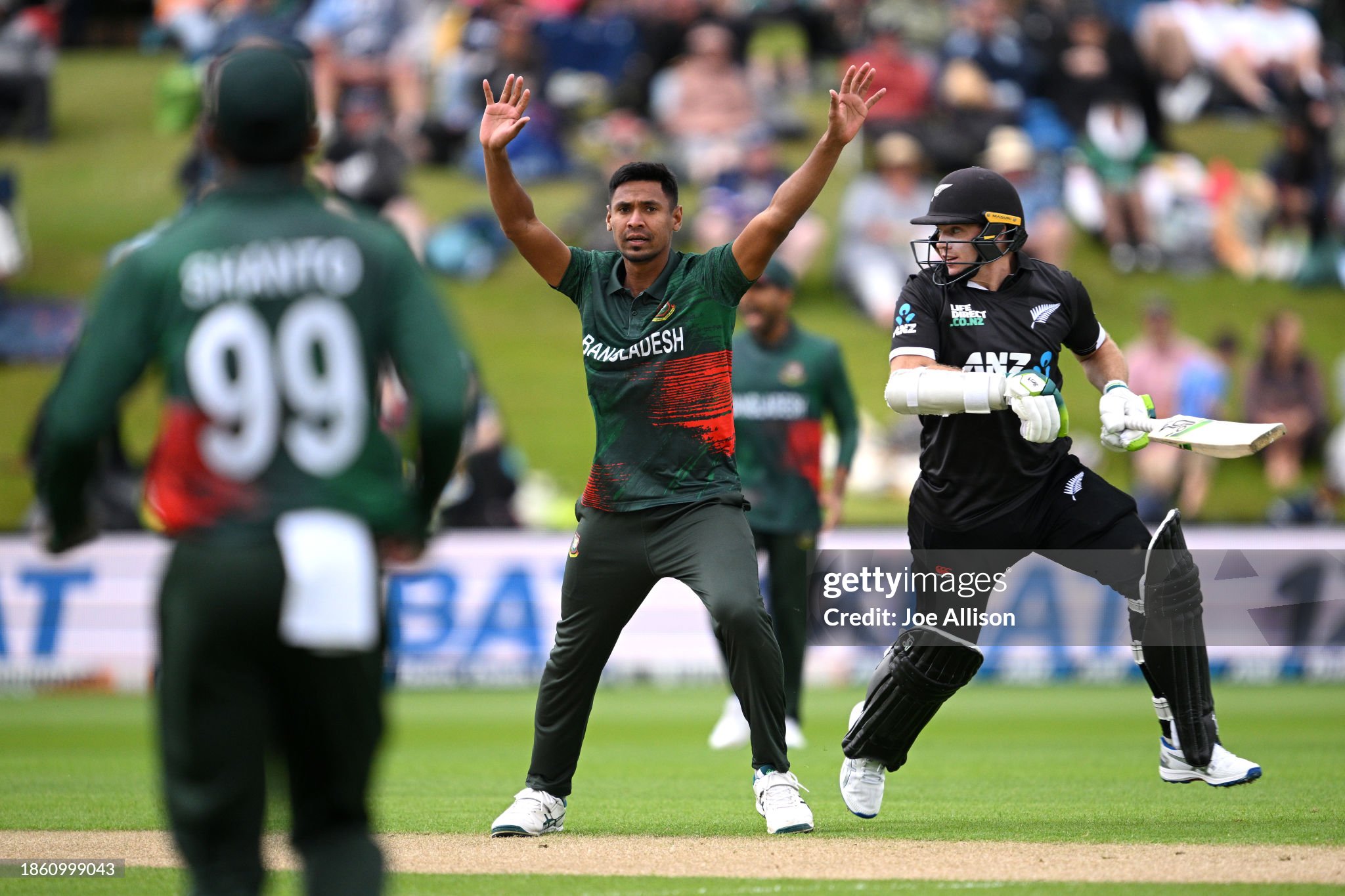
The attacks on Hindus in Bangladesh and demonstrations by Hindu outfits against Bangladeshi missions in India affected Bangladeshi participation in the Indian Premier League (IPL) series to be played between late March and May 26 this year. Given the rising hostility to Bangladesh amongst sections of the Indian public, the Shahrukh Khan owned Kolkata Knight Riders team dropped its Bangladeshi player Mustafizur Rahman on January 3, further fuelling anti-India feelings in Bangladesh.
The next day, a shell-shocked Bangladesh Cricket Board (BCB) decided not to play the International Cricket Council’s T20 World Cup matches to be held in India from February 7. It demanded that these fixtures be shifted to Sri Lanka, the co-venue for the tournament.
The ICC did not agree with the BCB’s security assessment. It said that it had found “no credible or verifiable threat” to move Bangladesh’s games, and was committed to “safeguarding the collective interests of the global game”. It also pointed out that it was too late to make changes in the venues as all bookings had been made for the series to be played in India and Sri Lanka.
Nevertheless, the ICC appointed Canadian agency to report on the security situation in India. The agency gave a clean chit which was approved by the ICC by a 14-2 vote. The two negative votes were those of Bangladesh and Pakistan.
Following the vote, the BCB was given a 24-hour deadline to revise its stand. But the BCB stuck to its decision to boycott. Bangladesh Cricket Board President Aminul Islam Bulbul said that without a change of venue, the team would not participate.
“If the ICC truly wants to be a global organisation, and if the ICC does not rise and sit at India’s command, then we must be given the opportunity to play in the T20 World Cup in Sri Lanka,” Asif Nazrul, Sports Advisor to the Interim government said.
On January 22, the BCB sought the intervention of the ICC’s Dispute Resolution Committee. Bangladesh wanted to follow the example of Pakistan, who would play their matches with India outside India. That deal was hatched after India refused to travel to Islamabad for the 2025 Champions Trophy. All their games were moved in Dubai.
But the ICC negatived the BCB’s appeals and promptly replaced Bangladesh by Scotland. Pakistan, which encouraged Bangladesh to stand firm and challenge the Indian board’s hegemony over the ICC, went on to announce its team to participate in the T20 tournament!
ICC Regrets Bangladesh’s Decision
The absence of Bangladesh from next month’s Twenty20 World Cup is a sad moment for the game and should serve as a call for stakeholders to work towards uniting the sport, not dividing it, the ICC said.
“The withdrawal of Bangladesh from the T20 World Cup, and resulting absence of a valued cricketing nation from cricket’s pinnacle international T20 event, is a sad moment for our sport, the Bangladesh players and fans, and one that requires deep reflection,” World Cricketers’ Association (WCA) Chief Executive Tom Moffat said in a statement.
“Rather than allowing division or exclusion to take hold, we call on the game’s leaders to work with all stakeholders, including Governing Bodies, leagues and players, to unite the sport, not divide it,” Moffat said.
The WCA had become increasingly concerned by agreements not being honoured in the sport and by a lack of meaningful consultation with players and their representatives.
“It also highlights significant issues with the game’s existing operating model at the global level. These issues, if continued to be left unaddressed, will weaken trust, unity, and ultimately the health and future of the game we love,” Moffat said.
India’s Dominance
India’s dominance over world cricket cannot be challenged effectively as its supremacy stems from the outsized revenues of the Board of control of Cricket in India (BCCI). The BCCI is flush with cash from its role as custodian of the most popular sport in the world’s most populous country.
Sports journalist Pradeep Magazine wrote in the Indian daily “Tribune”, that the BCCI’s “staggering revenues give it unimaginable control over decision-making in cricketing affairs of the world. There is no one to challenge India’s hegemony.”
Significantly, the ICC’s chairman is Jay Shah, son of Amit Shah, India’s powerful Home Minister and right-hand man of Prime Minister Narendra Modi.
“Indian cricket has been captured completely by politics in a way that it never has been before,” leading sports journalist Sharda Ugra told AFP. “The Bangladesh issue has reached where it has because it’s a political issue. There is no one in the ICC who can stand up to anything that the BCCI says or does. The BCCI and the ICC are the same thing at the moment,” Ugra said.
Bangladesh Isolated
Bangladesh thus stands alone in the world of cricket. And its board’s decision has opponents within Bangladesh too. While the nationalist- minded masses and the Interim Government are backing the Bangladeshi Board, those who have the interest of Bangladeshi cricket as such, and Bangladeshi cricketers at heart are dismayed by the precipitate step.
Media reports says that Bangladesh is likely to lose between US$ 300,000 and U$ 500,000 in participation fees for the group stages alone. In addition, under the Member Participation Agreement (MPA), the global body can impose a fine of up to US$ 2 million for refusing to travel without a valid justification.
Furthermore, reports suggest Bangladesh could lose up to US$ 27 million, roughly 60% of the BCB’s annual income, if they are excluded from the tournament’s revenue share. Additionally, players’ contracts with international brands, including Indian sports equipment giants SG and SS, are under review, potentially costing top stars millions in off-field income.
Above all Bangladesh has failed to gain international sympathy. The outcome signifies that the cricketing world is unimpressed with its diagnosis of the problem in India, though playing against the West Indies on February 7 in Kolkata was a difficult proposition.
“Why would other countries, sponsors, fans, and communities suffer due to the last-minute request for a venue change? If West Indian fans have already booked their tickets and hotels for Kolkata, what right does one have to tell them to rebook their flights and stay in Colombo? This is a no-brainer,” writes Dr Shamsad Mortuza of Dhaka University in The Daily Star.
More importantly, Dr,Mortuza pointed out the minimal concern for the players who should have been the central focus of the issue.
“World Cups represent unique opportunities for many players. These are gateways to careers, income, and recognition. Ironically, to protect the prestige of one player, we have now diminished the potential of many others. One official has already publicly humiliated national players for earning money without bringing any noteworthy trophies.”
“Again, such rhetoric is not healthy for the morale of the players before an international tourney. We don’t know to what extent the ICC will punish us: demerit points, future participation in sports, damage claimed by sponsors, revenue loss. The list is not exhaustive.”
“It is imperative that we revert to the fundamental objectives of sports. This entertainment serves as a licensed platform for rivalry, transforming political anxiety into regulated competition. The current episode exposes rather than confines aggression. Instead of using cricket as a buffer zone, it has been pulled back into geopolitics.”
“ The ICC can very well question how some state actors overshadowed the guaranteed sovereignty of BCB, “ Dr.Mortuza added.
Former Bangladesh Cricket Board general secretary and ex-Asian Cricket Council chief executive Syed Ashraful Haque has expressed concern over the board’s handling of the country’s decision to miss the upcoming T20 World Cup in India and Sri Lanka.
END
