

By P. K. Balachandran/The Daily Times of Bangladesh
February 14 – The parliamentary elections in Bangladesh held on February 12, have marked a significant shift, with the Bangladesh Nationalist Party (BNP), led by Tarique Rahman, securing a landslide victory. Official and reported results indicate the BNP and its allies won around 212 seats out of roughly 299-300 directly elected seats, giving it a commanding majority or two-thirds control in the Jatiya Sangsad.
The Islamist Jamaat-e-Islami and its allies performed strongly emerging as the main opposition, securing approximately 68-77 seats (a historic high for Jamaat), while the student-led National Citizens’ Party (NCP) and others picked up smaller numbers.
This outcome follows the 2024 uprising that ousted Sheikh Hasina’s
Awami League government, leading to an interim period under Muhammad Yunus and the banning of the Awami League from contesting.
The election represents Bangladesh’s return to competitive democracy after years of turmoil, with high turnout and peaceful voting in many areas.
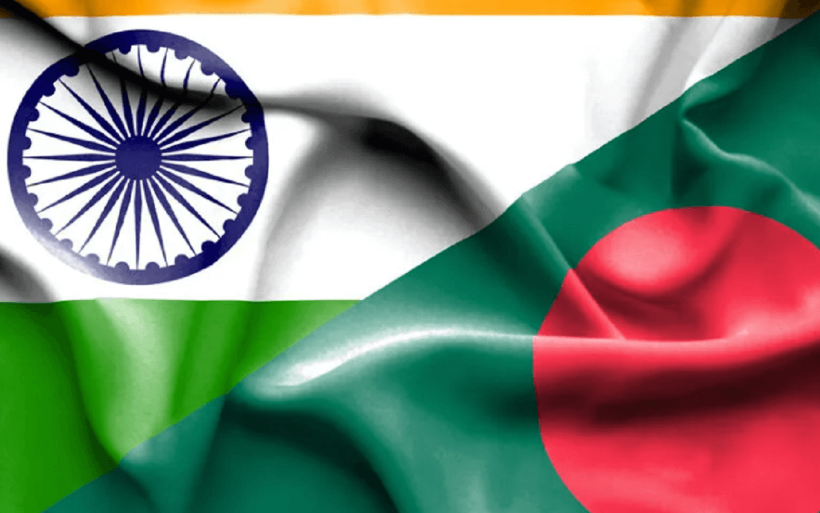
India-Bangladesh ties, strained since August 2024 due to the uprising, Hasina’s exile in India, border issues, and perceptions of Indian interference, show early signs of thawing under the new BNP leadership.
Indian Prime Minister Narendra Modi quickly congratulated Tarique Rahman, expressing hopes for strengthened multifaceted relations, democratic progress, and shared development goals. Rahman has signalled a desire for mutual respect, a “reset,” and willingness to address thorny issues like Teesta water sharing, counterterrorism cooperation, and Hindu minority protection—points that align with Indian concerns.
Mutual Suspicions
However, mending ties faces substantial challenges. There are entrenched mutual suspicions and attitudinal barriers. Indian leaders and opinion-makers often view Bangladesh’s outreach to Pakistan and China with suspicion, fearing encirclement or threats to strategic interests (e.g., near the Siliguri Corridor or the “Chicken Neck”).
Bangladeshis perceive India as hegemonic, imposing dominance through economic leverage, border management, or past support for Hasina.
Media amplification of incidents exacerbates public anxiety on both sides, making consistent positive messaging difficult despite leadership goodwill.
Domestic Political Dynamics in Bangladesh
The BNP’s majority allows pragmatic accommodation of Indian interests to sustain close economic ties. Bilateral trade remains robust, with Bangladesh’s exports to India rising significantly in FY 2024-25 despite past restrictions.
However, the strong Jamaat-led opposition (anti-India elements) and National Citizen’s Part (NCP) (angry over India’s sheltering of Hasina) could pressure the BNP against major concessions.
The Jamaat’s historical pro-Pakistan leanings may push for balanced ties with Islamabad, complicating India’s preference for exclusive influence.
Therefore, New Delhi must now engage more inclusively, acknowledging Bangladesh’s strategic autonomy rather than focusing solely on the ruling party.
Extradition Demands
Hasina, sentenced to death in absentia in November 2025 for alleged crimes against humanity during the 2024 crackdown, remains in India. The BNP has renewed calls for her extradition via legal/diplomatic channels, viewing it as a sovereignty issue and political vendetta symbol.
But India argues that the offenses are political (not purely criminal) and feels morally bound due to her past cooperation. This creates a major diplomatic hurdle, clashing with India’s calls for inclusive elections (which excluded Awami League) and risking backlash if refused.
Water-Sharing Disputes
Water-sharing disputes remain core irritants amid 54 shared rivers.
The Ganges (Farakka) Water Treaty (1996) expires in December 2026. Bangladesh accuses India of non-transparent data from Farakka and
insufficient dry-season flows, causing salinity intrusion, desertification, and Sundarbans ecosystem damage.
India seeks renegotiation citing climate change, reduced flows, and domestic needs—potentially lower allocations for Bangladesh— sparking anxiety in Dhaka. Talks have begun on data sharing, but political will post-election is key.
The Teesta remains unresolved for over a decade due to West
Bengal’s opposition (fearing shortages). This affects northern Bangladesh’s agriculture critically. China’s involvement in Teestarelated projects adds geopolitical tension.
Geopolitical Balancing
Bangladesh pursues “Bangladesh First” strategic autonomy, diversifying ties (e.g., deepening China infrastructure like Mongla Port, potential Pakistan rapprochement). India cannot block every such move without alienating Dhaka, as past efforts have backfired.
Economic Interdependence as a Stabilizer
Despite political frictions, trade thrives due to geography (shared
4,000 km border), low-cost land routes, and supply chains (e.g., Indian inputs for Bangladesh’s RMG, footwear). Electricity/fuel imports from India and infrastructure links sustain ties, making full decoupling impractical.
Overall, while friendly signals from Modi and Rahman offer optimism for stabilization, success requires addressing water treaties urgently (especially Ganges renewal), resolving Hasina’s status delicately, curbing border killings, protecting minorities, and fostering inclusive engagement.
Both sides must overcome institutional memories and media-driven nationalism for concrete progress—easier declared than achieved in this complex landscape.
END
