

By P.K.Balachandran
Colombo, March 28 – If, after boasting that he had militarily crushed Iran, US President seems desperate to opt for talks to end it, it is because his European allies have refused to send troops to help him.
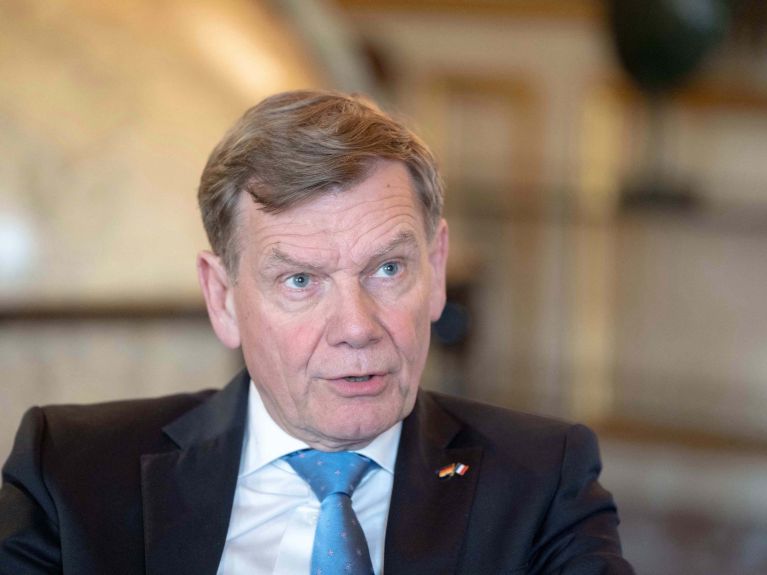
Responding to Trump’s call for military aid, the German Foreign Minister Johann Wadephul told Deutschlandfunk that Germany would be open to help peacekeeping in the region after the war, not before it.
European politicians are caught in a cleft stick. If they joined the war, their voters would get angry. At the same time, there will be domestic upheaval if they take no action to reopen shipping routes through the Strait of Hormuz.
Trump had angered them when he castigated them for refusing to help open the Strait of Hormuz. “They complain about the high oil prices they are forced to pay,” he said on social media last week, but they reject “a simple military manoeuvre that is the single reason for the high oil prices.”
Iran’s de facto closure of the strategic waterway has set off a full-blown energy crisis across the Continent. But at the same time, Europe’s political winds are blowing ever more fiercely against the war, raising the stakes for leaders to take part, the New York Times reported.
The military campaign is faulted by many Europeans, especially on the left, who say it is gratuitous, illegal, and now is threatening Europe’s fragile growth. The leaders also remain haunted by the Iraq War, which Britain supported, to its lasting regret, the paper said.
Already, the war is tilting politics in Europe. In Italy, Prime Minister Giorgia Meloni lost a referendum to overhaul the judicial system that leaves her politically damaged. The perception that she is close to Trump, who is deeply unpopular in Italy, did not help, especially when he did not bother to call her before the war.
In France, a far-left party opposed to Mideast intervention, “France Unbowed”, scored gains in mayoral elections last week. Analysts said the party benefited from the votes of Muslims who are angry about the war.
Despite all Trump’s pressure on Europe, he has not made it easy for its leaders to support him. The United States did not consult allies on the joint U.S.-Israeli operation. The lack of collaboration came after a fraught period in which Trump escalated his threats of a takeover of Greenland and zigzagged in his support for Ukraine, the NYT recalled.
Trump has since been insulting to European leaders, particularly Prime Minister Keir Starmer of Britain, who worked assiduously to cultivate him.
Nicholas Burns, who served as American ambassador to NATO during the Iraq War, said “the scurrilous comments that Trump made about the British prime minister” were the latest in a series of hostile gestures that would make it politically untenable for European leaders to take part in offensive military operations.
Even when he appealed to the Europeans to help, Trump managed to disparage them. The United States, he said, did not actually need their military assets.
While analysts note that Europe could contribute to a military operation in the strait — deploying minesweepers, for example, or other warships to escort tankers — they say that Europe’s military assets are secondary to the value of having its political buy-in for the broader campaign.
Mediators to Meet in Pakistan
As reported in Financial Times, the German Foreign Minister Johann Wafdephul also that the US and Iran are in “indirect contact” and a meeting in Pakistan with both countries’ representatives could take place “very soon”.
He further said that his information is that there have been indirect contacts, and preparations have been made to meet directly. “That would be very soon in Pakistan”, Johann Wadephul said
.
END
