

By Sanjana H/Facebook
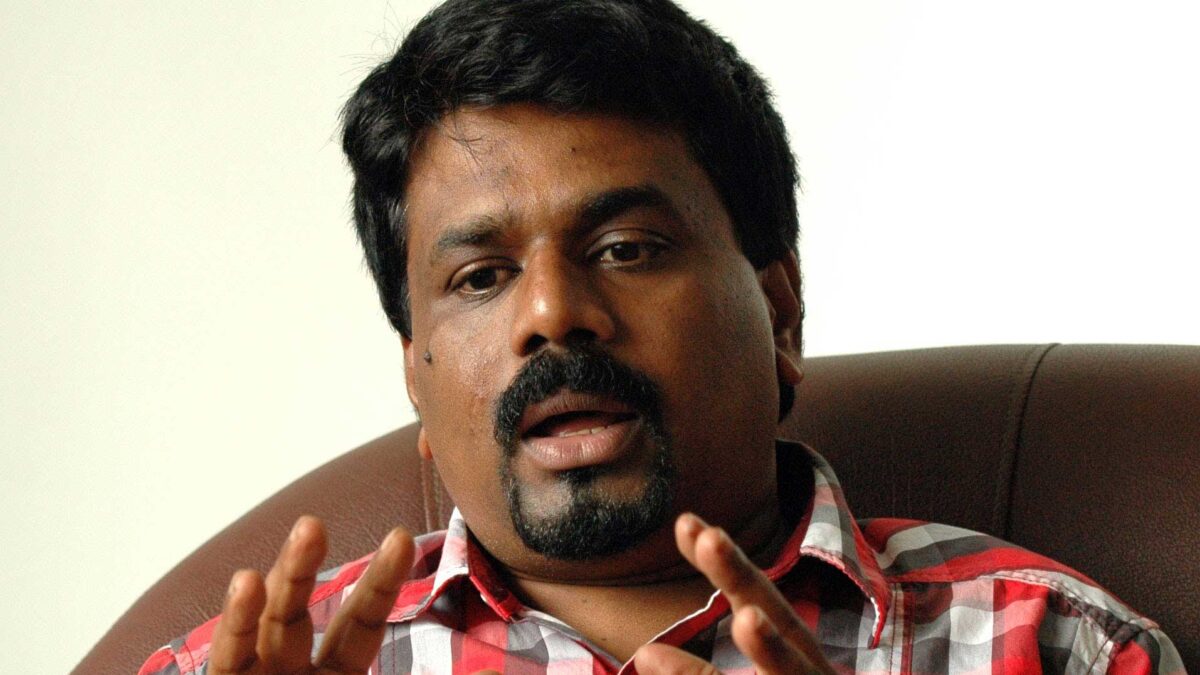
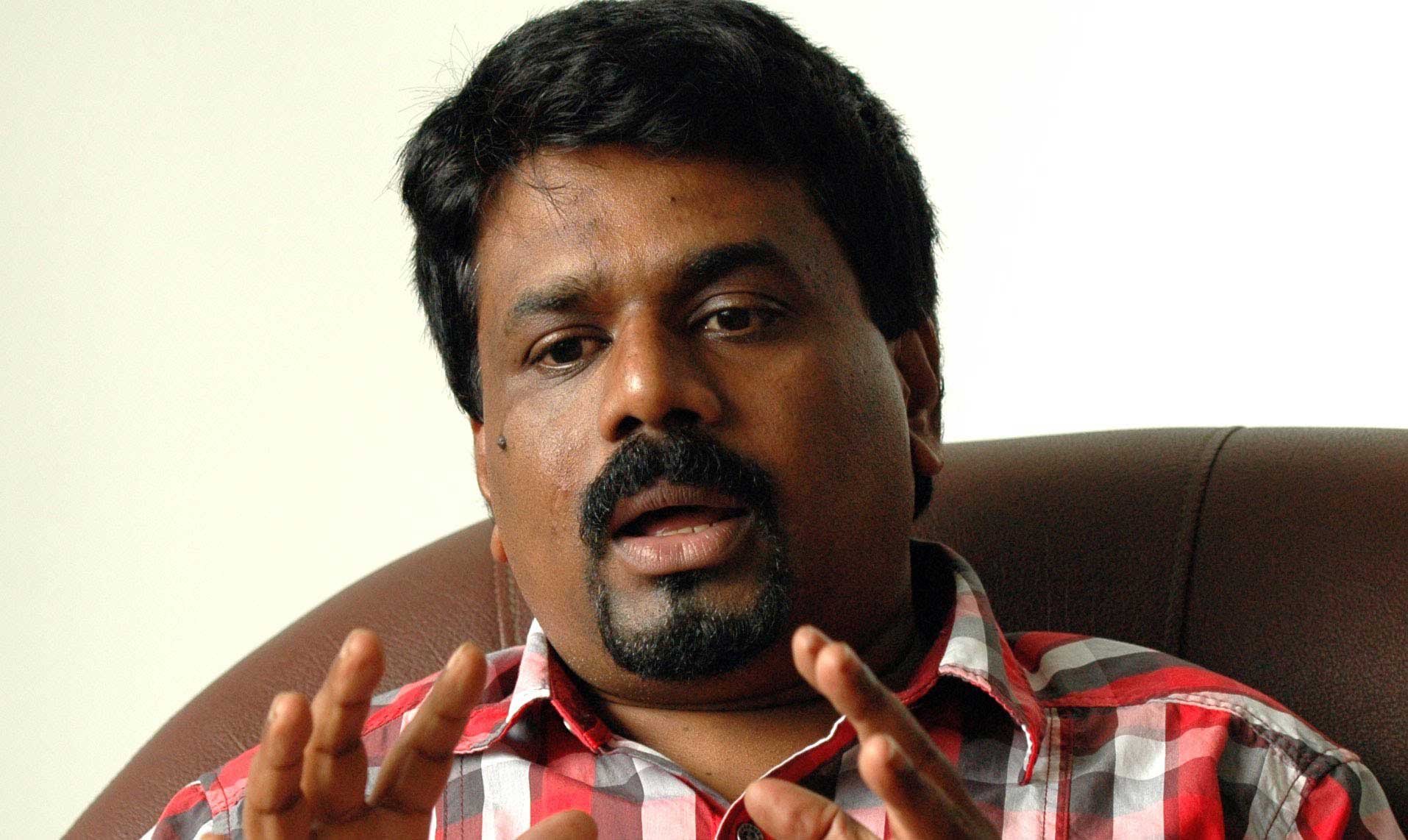
Colombo, December 1 – President Anura Kumara Dissanayake’s address to the nation after Cyclone Ditwah, on the evening of 30 November 2025, was posted to his official accounts on YouTube, and Facebook generating 430, and 240 comments respectively (at the time of writing). The President (AKD) spoke in Sinhala, and a version of the video with Tamil subtitles was also posted to YouTube.
AKD opens by expressing deep sorrow for the deceased and their families, while simultaneously highlighting the resilience and humanity of Sri Lankans who rallied during the historic crisis. He details the government’s comprehensive response, including efficient coordination of the armed forces and police for rescue operations, and expresses gratitude for crucial assistance provided by neighboring countries. To improve efficiency, AKD notes that outdated bureaucratic financial regulations were promptly amended to ensure rapid aid disbursement to all displaced individuals. The speech prioritises the swift restoration of essential services and infrastructure, such as power and communication networks, outlining a plan for national reconstruction across short, medium, and long-term phases. AKD also justifies the use of a state of emergency solely for reconstruction efforts, urging all political and ethnic factions to set aside differences and unite to build a stronger country than existed prior to the catastrophe.
YouTube Sentiments
The dominant sentiment across perhaps 85-90% of comments is one of fervent support, parasocial love or support, and emotional identification with the president. Comments repeatedly invoke Buddhist blessings – “තෙරුවන් සරණයි” (may the Triple Gem protect you), “බුදු සරණයි” (Buddha’s blessings) – as well as, “Allah bless you,” “God bless you,” and “Jesu pihitai”. The term “සහෝදරයා” (brother) appears frequently, as does “බොසා” (boss or leader, used endearingly) and “හදවතේ නායකයා” (leader of the or our heart). One comment even compares AKD to King Dutugemunu. There are also many transliterated comments including “Budusaranai” (May the Buddha or Dhamma bless you) “Shakthiya lebewa” (May you find the strength), and “Api oba samagai” (We are with you).
Many pledge financial support. Comments from Italy, Canada, the United Kingdom, the United States, Saudi Arabia, Korea, Oman, and Australia (based on self-declared locations) express willingness to contribute to post-Ditwah reconstruction. Many explicitly state this is the first time they trust sending money to a Sri Lankan government because they believe AKD will not embezzle funds. Several reference the 2004 tsunami and allege that “Helping Hambantota Fund” and similar initiatives were vehicles for corruption under the Rajapaksa governments. This anti-corruption sentiment appears foundational to the trust commenters place in AKD’s presidency, and government.
A minority express hostility or scepticism. Comments in this register feature language like “පොන්නයා” (an effeminate slur), “මී හරකා” (you buffalo, meaning idiot), “පල” (get lost or fuck off), and explicit sexual insults. Interestingly, a Sinhala-Buddhist fundamentalist perspective emerges in one extended comment calling AKD “මිත්යා දෘෂ්ටික” (a heretic with wrong views) and linking natural disasters to (his, and by extension, his government’s) alleged disrespect for Buddhism. Relatedly, the AKD’s speech, and the Cyclone Ditwah response is discursive terrain for ongoing political contestation. Supporters dismiss critics, and claim 99% of the country supports AKD, to which one comment pointedly notes he received only 48% of votes in the election. References to 2022’s aragalaya appear, with some noting they did not support AKD previously but have since changed position. Others invoke the Covid-19 response period, sometimes to praise previous governments (i.e., the Rajapaksa’s), sometimes to criticise.
The emotional register in the Sinhala commentary on YouTube is intense. Multiple commenters describe tears while watching, express that AKD is “like a god” to them, and pledge support “until death.” Hundreds of heart emojis proliferate alongside national flags. This affective intensity, a proxy indicator of parasocial affinity, may suggest genuine popular sentiment, but this is also to be expected given the location of the comments on AKD’s official YouTube channel which will inevitably attract a disproportionate number of supporters, and partisans.
Facebook Sentiment
The sentiment supportive of AKD on Facebook is significant but carries different inflections than YouTube’s more reverential or devotional tone. One notes “මේ තරන් තීක්ෂණ බුද්ධියක් තියෙන, උණුවෙන හදවතක් තියෙන… උඹට බැරිනම් වෙන කාටද පුළුවන්” (if you, with such sharp intelligence and warm heart, can’t do it, who can?). “ගේම ගහමු” in the comments (let’s play the game/let’s do this) also signals mobilisation. Another describes AKD as a “brand”.
The critical commentary is more nuanced than on YouTube. One comment accuses the government’s “සමාජ මාධ්ය දඩ බල්ලන්” (social media wild dogs) of attacking volunteers from opposition (party) backgrounds, causing demoralisation, and withdrawal from relief efforts. The comment warns this “will end in a very bad place” (මේක හරි නරක තැනකින් ඉවර වෙයි), suggesting potential political consequences from alienating civil society activated post-Ditwah to help those affected. Several comments document specific failures with names, locations, and contact details which, beyond the scope of this article, present a significant cybersecurity issue, given discoverability of personally identifiable information (PII) in the public domain. The combination of names, locations, and mobile phone numbers etc across comments creates exploitable opportunities for harassment, or surveillance in the future, especially targeting the most vulnerable. One comment details the situation at Kumbaloluwa school, where 650 people remain stranded despite repeated contact with the Presidential Secretary, Defence Secretary, Minister Bimal Rathnayake, the Army, and Air Force. The commenter provides a phone number, and describes officials asking “මෝඩ ප්රශ්න” (stupid questions) about whether the location is safe, while rocks above the school have begun cracking. There are other comments on similar lines signifying citizen journalism documenting state, and institutional failures in near real time. Another comments provides mobile number for a family stranded on a rooftop in Bangadeniya, Chilaw.
The criticism extends to policy decisions and timing. One detailed comment argues the emergency declaration came “පැය 24කට වඩා ප්රමාද වෙලා” (more than 24 hours late), that military deployment should have occurred immediately, and that the 159 MPs should have been dispatched to constituencies. Another addresses AKD directly to attribute responsibility (“උඹ දැන් ජනාධිපති බං”—you’re president now, man) with a deliberately informal register to strip away deference. The accusation that AKD was “බයිලා ගහ ගහ හිටිය” (dancing baila) while people died references a president unable to rise to the needs of the moment.
Comments targeting AKD feature crude invective similar to YouTube but with more specificity. “අප්පිරිය” (disgusting/repulsive person), “කාලකන්නි බල්ලා” (cursed dog), and “පොන්නයෙක්” appear alongside other threats. Reminiscent of the YouTube comment referenced earlier, another invokes Buddhist supernatural causation: “බුදුපිළිම අයින් කරපු අලි මරපු සාපේ” (the curse of removing Buddha statues and killing elephants), attributing the disaster to alleged government, and presidential disrespect for Buddhism. Meta-commentary about AKD’s emotional presentation diverges sharply. Some criticise him for “කෙන්දිරි ගාලා” (sobbing/crying), arguing a president should not display weakness: “අන්ඩනවනෙ මෙයා” (he’s whimpering). Others report being moved to tears by his sincerity: “මගේ ඇස් දෙකෙන් කඳුළු සට සට ගහලා ආවා” (tears streamed down from both my eyes). This split reflects competing models of leadership, and the perceptions of AKD: stoic authority versus authentic emotional connection.
Targets of Love, and Criticism
Across all the YouTube, and Facebook comments studied, several key individuals, and institutions emerged as those loved and championed or, conversely, criticised, and condemned.
AKD dominates the celebratory discourse across both platforms. Supporters deploy an extensive vocabulary of praise: “සහෝදරයා” (brother), “බොසා” (boss), “හදවතේ නායකයා” (leader of the heart), “දෙවියෙක්” (a god), “බුද්ධිමත් නායකයා” (intelligent leader), “යෝධයෙක්” (giant/hero), and “අපේ කොල්ලා” (our boy). The Facebook comments describe him as possessing “තීක්ෂණ බුද්ධියක්” (sharp intelligence) and “උණුවෙන හදවතක්” (warm heart). Multiple commenters emphasise his humble origins, celebrating that “දුප්පත් පැලේ ඉදලා ආපු අපේ කොල්ලා” (our boy who came from a poor hut) now leads the nation.
The armed forces receive substantial collective praise as “රණවිරුවන්” (war heroes), with the Army, Navy, Air Force, and Police acknowledged for rescue operations. Individual military personnel who died or went missing during rescue efforts (particularly the Air Force helicopter pilot) are memorialised as heroes, with one Facebook commenter demanding justice be served to those who allegedly obstructed his helicopter’s landing while filming video. The phrase “රන විරුවන්” (war heroes) appears in several comments honouring their sacrifice.
The Sri Lankan public collectively receive celebration for resilience and solidarity. Comments invoke comparisons to Hiroshima rising from ashes and emphasise “සිංහලේ සිංහකම” (the lion-nature of the Sinhalese), though this Sinhala-Buddhist ethno-nationalist framing completely excludes minorities. The diaspora receives particular acknowledgment, with overseas Sri Lankans from Italy, Canada, the United Kingdom, the United States, Saudi Arabia, Korea, Oman, Australia, and elsewhere explicitly mentioned as pledging financial support. Several commenters emphasise this represents the first time they trust sending money to a Sri Lankan government.
The Rajapaksa family is framed, and featured as the primary historical villain across both platforms. Mahinda Rajapaksa is called “මහින්ද ජරා පක්ෂයාව” (Mahinda the decrepit one) and accused of embezzling tsunami relief funds through the “Helping Hambantota Fund.” Gotabaya Rajapaksa appears repeatedly as a symbol of misgovernance, with comments referencing 2022’s aragalaya. One extended YouTube comment details alleged Rajapaksa-affiliated harassment of a commenter’s brother in the Navy, claiming Gotabaya supporters within the military continue to undermine the current government. The family collectively represents corruption, with phrases like “සුනාමි හොරා” (tsunami thieves) appearing.
Anchored to specific incidents, emergency responses, ground realities or unfulfilled needs, specific government officials, and institutions receive documented criticism for inadequate disaster response. The Presidential Secretary, Defence Secretary and his secretary, and Minister Bimal Rathnayake are named as having been contacted but failing to respond adequately to a situation involving a school in Kumbaloluwa, where 650 people remained stranded. The Army and Air Force are mentioned as contacted but not providing sufficient assistance. One anonymous government official who participated in a conference call but refused to identify themselves is criticised for “වගකීම පැහැර හැරීමක්” (shirking responsibility). Grama Sevakas (village officers) and police are accused of not visiting affected areas.
Members of Parliament face collective criticism for inaction. Multiple commenters note that not a single MP provided even one rice packet or visited affected villages, with the accusation that they are “කැබ් ගන්නවා” (“getting cabs”, referencing the new vehicle allowance, and not taxis) while people suffer.
As studied earlier in reference to the Facebook, and YouTube comments, AKD himself is the target of online vitriol. Critics call him “අප්පිරිය” (disgusting/repulsive), “කාලකන්නි බල්ලා” (cursed dog), “පොන්නයෙක්”, and “කුණුහරුප පුරවැසියන්ගේ නායකයා” (leader filthy citizens). One accuses him of acting (“Anura umbe acting maru ban”, your acting is great, man).
The Meteorological Department and Disaster Management Centre (DMC) face criticism for inadequate early warning (also read Who gets warned? Language, discrimination, and disaster communication in Sri Lanka).
AKD’s Speech in Tamil
The official translation of AKD’s speech was published on his Facebook page in Tamil. This post generated 466 comments. Machine-language translation was used to study these comments, the majority of which are in Tamil.
Comments favouring or in support of AKD in Tamil are anchored in the context of historical experiences of marginalisation, racism, and discrimination. One eloquent commenter states “முதற்தடவையாக ஒரு மனிதாபிமானம்மிக்க அதிபரை இலங்கையின் அரியணையில் பார்க்கிறோம்” (for the first time we are seeing a humanitarian president on Sri Lanka’s throne), elaborating that “இலங்கையின் அதிபர்கள் ஒவ்வொருவரையும் நாம் பயத்துடனே பார்த்ததுண்டு” (we have always looked at Sri Lankan presidents with fear) but now “எங்கள் நாட்டின் அதிபரை எங்களில் ஒருவராக பார்க்க முடிகிறது” (we can see our country’s president as one of us). Another wrote “நான் ஒரு தமிழன் அவர் ஒரு சிங்களவர்” (I am a Tamil, he is a Sinhalese) before arguing that opposition parties accuse AKD of favouring Sinhalese while some Sinhalese accuse him of excessive loyalty to Tamils “இருவரும் அவர்களது அரசியல் லாபத்திற்காக… வசைபாடல்கள் மட்டுமே” (both are merely slanders for their political gain based on ethnic sentiments). The commenter concludes that “இலங்கை சுதந்திரம் பெற்றதிலிருந்து இன்று வரை… முழு இலங்கை மக்களையும் ஒரே குடிமகனாக அணுகி நிற்கும் ஜனாதிபதி—இவர் ஒருவரே” (from Sri Lanka’s independence until today, the only president who approaches all Sri Lankan people as one citizen, transcending ethnicity, language, and party perspective – is him alone). Another provides a lengthy defence of AKD, expressing frustration with critics: “தான் சார்ந்து இருக்கும் கட்சியில் இருப்பவர் ஜனாதிபதியாக வரவில்லையென்று இந்த இக்கட்டான சூழ்நிலையிலும் ஜனாதிபதியை Blame பண்ணிக் கொண்டிருப்பவர்களை பார்க்கும் போது எரிச்சலாக இருக்கின்றது” (it is irritating to see those who keep blaming the president in this difficult situation just because their party member did not become president). The commenter praises AKD for personally allocating funds for disaster relief and saying “இன்னும் வேண்டுமானாலும், கேட்டு எடுத்துக் கொள்ளுங்கள்; ஆனால், இறங்கி வேலை செய்யுங்கள்; மக்களுடன் நில்லுங்கள்!” (if you need more, ask and take it; but get down and work; stand with the people!), noting this is unprecedented from a Sri Lankan president. The comment ends with the possessive “எனது AKD” (my AKD), indicating personal emotional investment.
The term “தோழர்” (comrade) appears frequently in Tamil comments, signalling leftist political identification and ideological solidarity with the JVP/NPP tradition. Commenters address AKD as “தோழர் அநுர” (Comrade Anura), situating their support within a framework of class-based rather than purely ethnic politics. One commenter writes “அரசியலை தூக்கி எறிந்து மனித நேயத்தை மதிக்கும் உங்களை இந்த நாடு ஒரு போதும் கை விடாது” (throwing away politics and respecting humanity, this country will never abandon you).
There are critical voices too. One accuses AKD and the “மலிமா அரசாங்கம்” (Malimawa government) of heading an ineffective Disaster Management Centre, calling him “வாய் வீரன்” (mouth hero—all talk, no action) and “முட்டாள்களின் தெரிவு அனுர” (Anura, the choice of fools). The comment argues the DMC is a “வெள்ளை யானை” (white elephant) wasting taxpayer money and needs to be shut down, because of catastrophic response failures. Another documents local-level failures: “நுரைச்சோலை, ஆலங்குடா பகுதிகளில் குறித்த சில அதிகாரிகளைத் தவிர வேறு யாரும் மக்களுக்காக யோசிக்கிறார்களே இல்லை” (in Nuraicholai, Aalangkuda areas, except for certain officials, no one else is thinking about the people). The commenter addresses AKD as “சேர்” (sir) and notes that when people asked where to evacuate, officials showed them places without toilets: “பேசி வேலல்ல சேர்” (talking doesn’t work, sir). Another comment introduces a critique absent from Sinhala commentary on Facebook, and YouTube: “மழைபொழிவு அதிகரிக்கப்போவது என்று முன்கூட்டியே தெரிந்திருந்த போதும் வான் கதவுகளை அளவாக திறந்து வைத்திருந்திருந்தால் இந்தளவு பாதிப்பு நிகழ்ந்திருக்க வாய்ப்பில்லை” (although it was known in advance that rainfall would increase, if the sluice gates had been opened proportionally, this much damage might not have occurred). This suggests reservoir and dam management failures as a contributing factor, which implies preventable human error leading to destruction, and potentially, even deaths, rather than purely natural causation.
Multiple commenters request bank account details for overseas donations (parenthetically, see above for resulting cybersecurity risks at scale). International aid acknowledgment appears prominently, with one comment thanking “India 🇮🇳, Pakistan 🇵🇰, USA 🇺🇸, Japan 🇯🇵, China 🇨🇳” for assistance.
In just the Tamil comments studied, the dominant discursive pattern suggests significant Tamil support for AKD through a framing of his presidency, especially in relation to the Cyclone Ditwah response, as a departure from ethnic majoritarianism. The frequency with which Tamil commenters emphasise AKD treating all citizens equally regardless of ethnicity indicates this is a central concern for, and perception of the Tamil community.
END
