

By Sugeeswara Senadhira/Daily News
Colombo, May 23 – Sri Lanka heaved a sigh of relief when India and Pakistan agreed on a cessation of violence, as any armed conflict in the region has a devastating impact on the economies of smaller neighbours. As a small island nation in the Indian Ocean, Sri Lanka often finds itself navigating a diplomatic tightrope. While it shares strong cultural, economic and historical ties with India, it also engages with Pakistan through trade, defence training, and political goodwill. The India–Pakistan rivalry sometimes limits Sri Lanka’s foreign policy options and restricts deeper ties with one country for fear of antagonising the other.
Sri Lanka was extremely concerned over the conflict which was triggered after a dastardly attack by a group of terrorists on civilians and tourists at Pahalgam in Kashmir and watched the developments with horror, as there were signs of escalating warfare. Sri Lanka’s grave concern was visible in its warm welcome of the ceasefire. President Anura Kumara Dissanayake warmly welcomed the ceasefire agreement between India and Pakistan, calling it a vital and timely step towards safeguarding lives and fostering regional stability.
In a statement, he praised the leadership of both countries for choosing dialogue over confrontation. “An immediate ceasefire is not just an urgent need to spare innocent lives on both sides; it is also a necessary first step in achieving lasting peace and regional stability,” he said.
The Sri Lankan President lauded the leaders of India and Pakistan for their Satesmanship, noting their “willingness to compromise” as a demonstration of wisdom. He emphasised that Sri Lanka, as a close neighbour and friend of both nations, stands ready to support continued dialogue.
“Sri Lanka reaffirms its unwavering support for continued dialogue and expresses its readiness to make whatever contribution necessary to achieve regional peace in our time,” President Dissanayake added.
Although not a direct party to the India–Pakistan conflict, Sri Lanka and other South Asian neighbours are significantly influenced by its ripple effects. From strategic defence postures to trade policies and foreign alignments, they must constantly adapt to the changing regional dynamics shaped by these two powerful nations in the sub-region. Promoting peace and cooperation in South Asia would not only benefit India and Pakistan but also contribute to greater stability and prosperity for smaller nations like Sri Lanka.
Sri Lanka, with its strategic location in the Indian Ocean, becomes a key point of interest in any security recalibrations. India’s Naval presence and interest in countering any Pakistani influence in the region can impact Sri Lanka’s defence partnerships and military autonomy.
The India–Pakistan conflict, rooted in decades of territorial, political and religious disputes—especially over Kashmir—has not only strained bilateral relations but also reverberated across South Asia.
Another of Sri Lanka’s concerns is that regional instability due to India–Pakistan tensions affects the South Asian Association for Regional Cooperation (SAARC), which includes Sri Lanka. SAARC’s effectiveness has been severely weakened due to the India–Pakistan standoff, limiting opportunities for regional trade integration and economic collaboration.
One of the neighbouring countries affected by this ongoing conflict is Sri Lanka. Though not directly involved, Sri Lanka experiences both strategic and economic consequences due to tensions between its two powerful neighbours.
Close Relations
As Sri Lanka maintains very close relations with India and Pakistan, the Government refrained from making any statement when the two neighbours clashed. President Anura Kumara Dissanayake thought it fit to issue a statement only after the two conflicting neighbours agreed on a cessation of violence following the round of warring after the dastardly killings of innocent tourists in the idyllic Indian-controlled Kashmir hillside by dreaded terrorists.
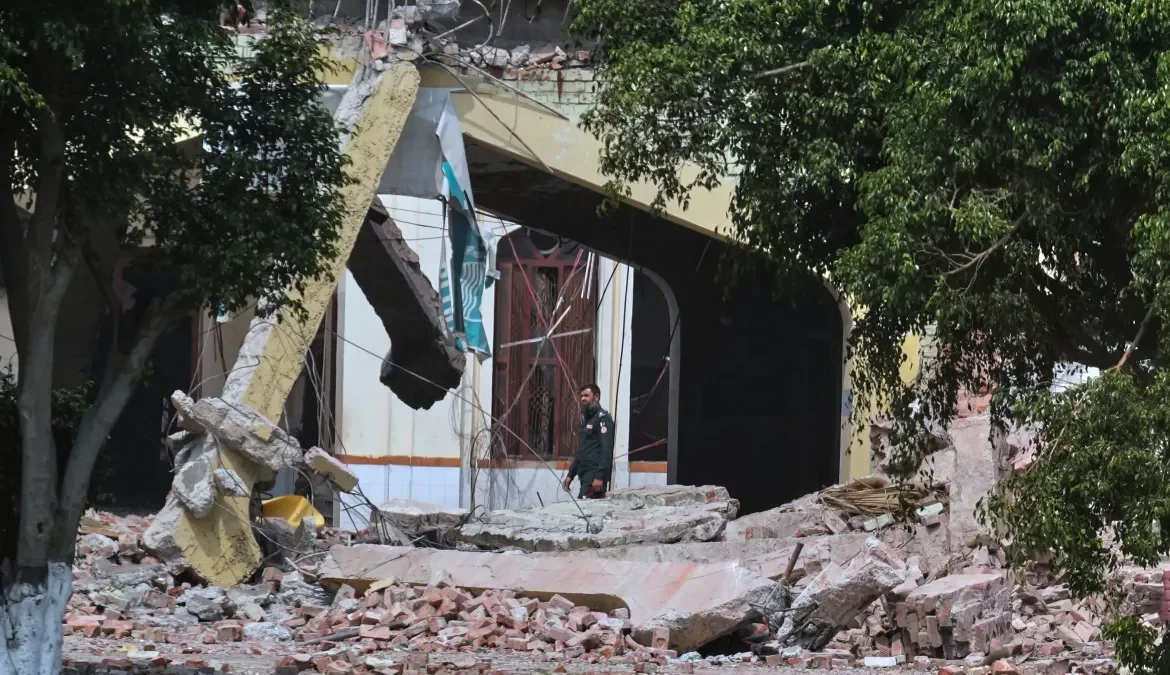
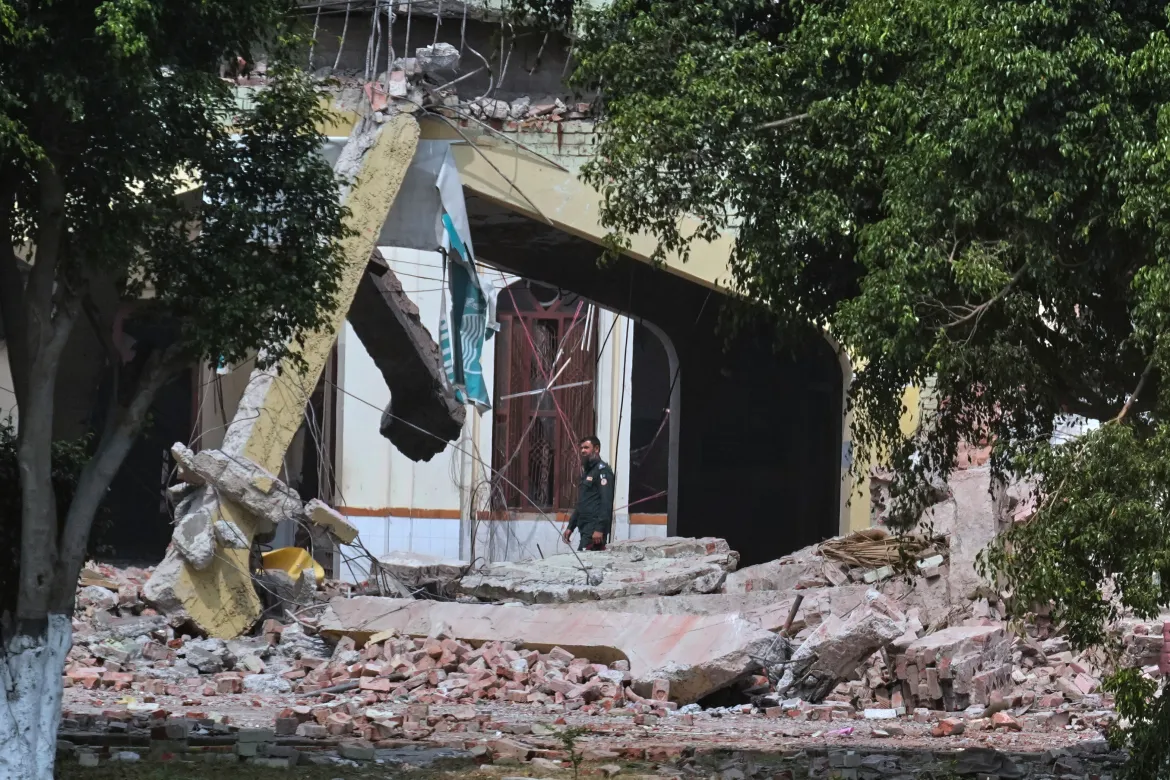
After the Pahalgam attack, India upped the ante by firing missiles into the Nur Khan airbase, the garrison town close to the Pakistani military capital of Rawalpindi, while Pakistan sent 300–400 drones testing Indian air defences.
Reportedly, a Chinese-made air-to-air missile (P-15) fired by a Pakistani pilot hit an Indian Air Force (IAF) Rafale jet, which was recently purchased from France. There was a brief usage of cutting-edge air defence technology in warfare, with sophisticated electronics and AI (Artificial Intelligence) in real time redefining military balances the world over.
This conflict has revealed the grave danger that could be devastating for the South Asian region. It has shown the new reality and level of risk emerging in Sri Lanka’s neighbourhood, with wider geostrategic and security implications. If the simmering bilateral confrontation went beyond Kashmir, escalating into a nuclear war, it could even draw in extra-regional superpowers and middle powers into the unfolding events.
Peace-loving people around the world were anxious about a possible nuclear war when the two South Asian nuclear powers went eyeball to eyeball in armed conflict. The main worry of close neighbours was their lack of high alert for such an eventuality.
Devastating Effects
It is of paramount importance for the Defence Ministry and Military experts to evaluate the possible devastating effects of a full-scale military conflict in the region and prepare contingency plans for damage control. It is for the National Security Council to discuss this and provide the required guidelines.
The brief episode was also an eye-opener to the future of warfare and technology. The Chinese P-15 was part pilot, part AI, with satellites and sensors executed by machine—a practical demonstration of the next generation of automated warfare.
This show of strengths and weaknesses will usher in a new arms race. Defence budgets of the Western world will now expand to even greater heights. The multi-trillion-dollar arms industry will be fed to match Chinese technology.
As military experts pointed out, the battle drew attention to the gaps and limitations of existing frameworks on weapons and related strategic doctrines, including the ethical and humanitarian implications of the advent of AI-powered Lethal Autonomous Weapons, as well as the existing nuclear non-proliferation framework—both topics under multilateral consideration at the UN.
This will surely lead to spiralling defence expenditure, including in countries that can ill afford it, and greater budget cuts on agreed global objectives, including poverty alleviation, climate financing, and further spending cuts to United Nations agencies like the World Health Organization. A new arms race with regional powers going for nuclear weapons is an existential challenge to non-nuclear weapon states, including Sri Lanka.
Last but not least, India and Pakistan’s rivalry has also opened the door for external powers, particularly China, to gain influence in the region. Sri Lanka’s increasing engagement with China has become a strategic concern for India, pushing New Delhi to reassert its influence over Sri Lanka. The India–Pakistan dynamic thus indirectly shapes Sri Lanka’s geopolitical alignments and infrastructure decisions.
Hence, Sri Lanka is very keen to see peace in the region. President Dissanayake lauded the leaders of India and Pakistan for their statesmanship, noting their “willingness to compromise” as a demonstration of wisdom. He emphasised that Sri Lanka, as a close neighbour and friend of both nations, stands ready to support continued dialogue.
“Sri Lanka reaffirms its unwavering support for continued dialogue and expresses its readiness to make whatever contribution necessary to achieve regional peace in our time,” President Dissanayake added.
END
