

By Shailendree Wickrama Adittiya/The Morning
Colombo, April 11 – The Sinhala and Tamil New Year is a time of celebration and togetherness, and, for many of us, the one time of the year where we truly engage with our culture. It is a time when we turn to tradition, following rituals and preparing traditional dishes.
However, many of the traditional components of the Sinhala and Tamil New Year are fading away, especially as we move away from our villages. In the face of modernisation and urbanisation, does the Sinhala and Tamil New Year stand a chance?
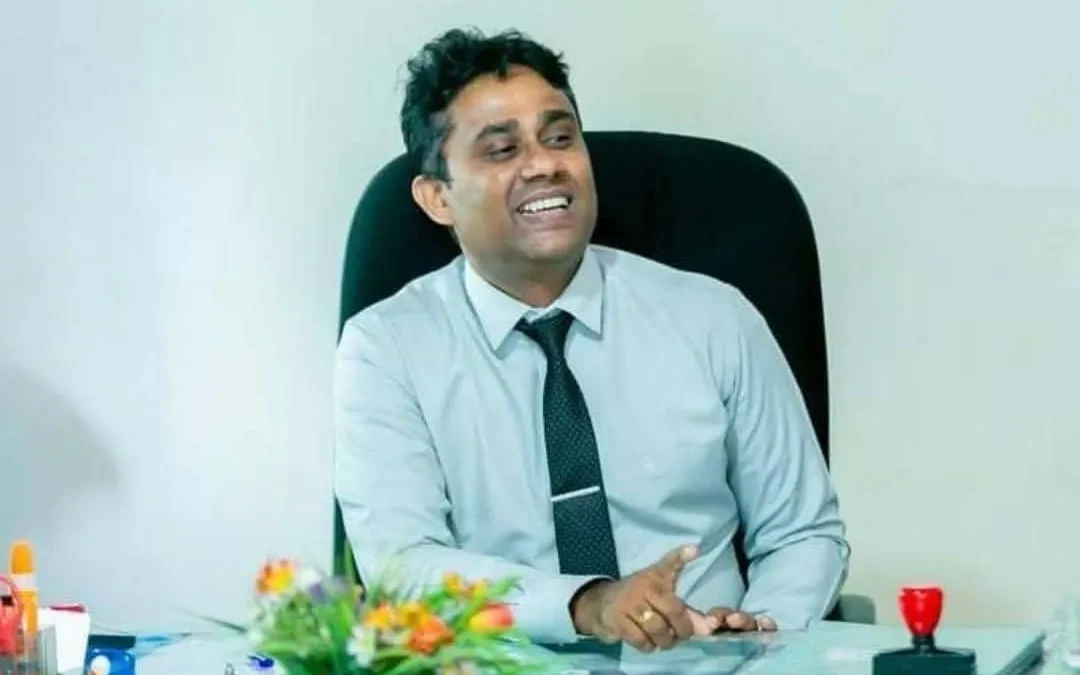
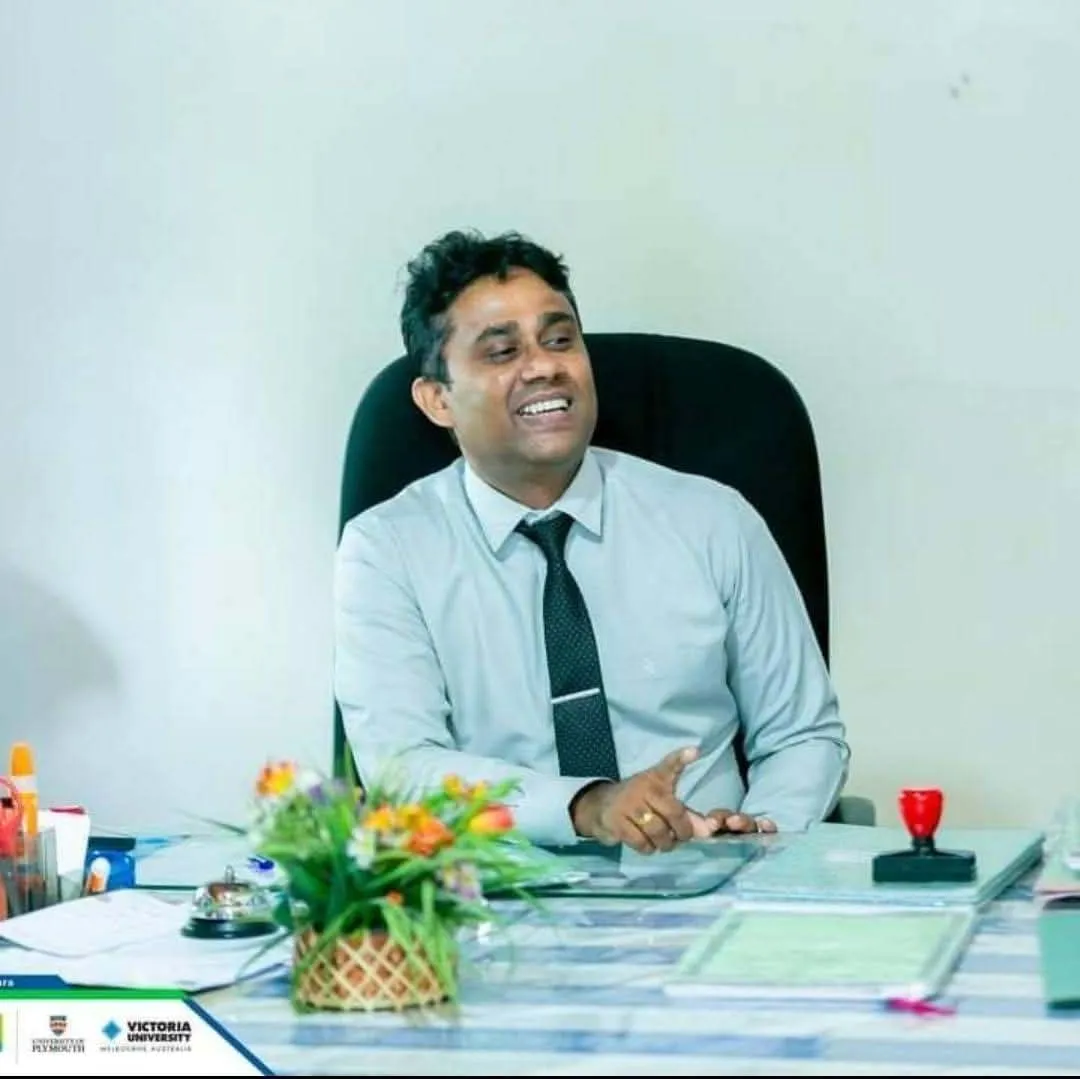
Speaking to The Daily Morning, Meegoda Provincial Ayurveda Hospital Director Dr. Abhayathilaka Devagiri described the Sinhala and Tamil New Year as being a festival centred on the sun or nature. For instance, nature informs us of the arrival of the Sinhala and Tamil New Year, with the koel bird singing and erabadu (Indian coral) in bloom.
“It fosters harmony, equality, values, and generational wisdom, and involves religion, culture, and astrology, etc. It’s a collection of many components,” he said.
Dr. Devagiri explained that the foundational concepts of the Sinhala and Tamil New Year originate mainly from farming communities and the village. “It is during this time that crops have been harvested and wheat storage in the home is full. Villagers have a sense of relief that there is food in the house and can spend some time without worrying. What do they do during this respite? They get together and celebrate. This is the basis for the Sinhala and Tamil New Year,” he said.
As we move away from agriculture and the village, however, we are also moving away from rituals and customs that make up the Sinhala and Tamil New Year. During our conversation, Dr. Devagiri explained what changes we are seeing and the importance of protecting our culture.
Following are excerpts from the interview:
Q -How have New Year customs changed during the past few decades?
New Year rituals start with Nawa Sanda Baleema or viewing the new moon, which is when we know that the month of Bak or April is upon us. With the sighting of the new moon, the other rituals commence. What’s special here is that most rituals can be and are done together. Due to being done at auspicious times, all people engage in the same activity simultaneously. This is not a common occurrence across the globe. Rarely is something done at one particular time. However, auspicious times allow us to do so.
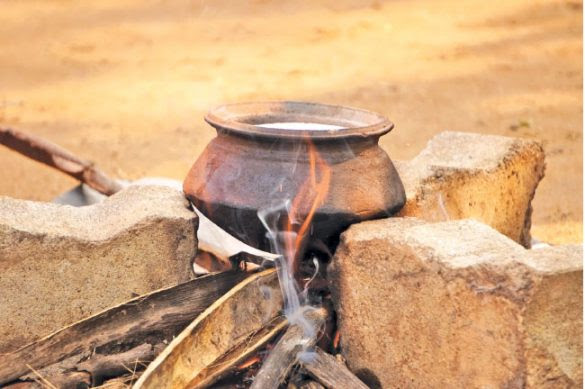
In the past, every house had a wood stove. Due to being made using clay and dung, over time, the wood stove falls apart and needs to be mended. During the New Year, people start by cleaning it out and removing the collected ash. They prepare it to be lit again. But why is this important? In traditional medicine, priority is placed on fire and proper preparation of food, as it contributes towards good health. By cleaning the stove, we are going into the next 365 days having taken a step towards being healthy.
This ritual is lost to us today, mainly because most people use gas or electric stoves now, so this ritual has no purpose. This is a result of the shift from rural life to urban living. Our current lifestyles leave no room for rituals like cleaning the stove or cleaning or painting the house.
Rituals also instil certain values. During the New Year, we visit our relatives. When we visit elders, we worship them. This cultivates respect towards elders. We share food with relatives and friends.
Today, we are slowly losing these practices, where we have a meal together or share food with others. Urban living constricts us and we want to escape these spaces as soon as we can. And so, during the New Year, we instead go on holiday to places like Nuwara Eliya. Urban living is making us lose our rituals.
Another custom we are losing is engaging in acts of worship during the ‘nonagathaya’, which is a period where, according to astrology, there are no auspicious times. During this time, people refrain from activities and in the past would instead visit places of worship as a family. Today, we spend this time sitting in front of the television.
Folk games like ‘pancha keliya’, ‘olinda keliya’, ‘onchili padeema’, and ‘eluwan kama’ are also fading away.
Q -How has urbanisation and other factors contributed towards this loss of certain rituals?
With urbanisation and other factors, today’s Sinhala and Tamil New Year celebrations are held at a grander scale. They are not celebrations in the traditional sense, but are festive events or entertainment events.
Media institutions hold Avurudu events that focus on competitions and cash prizes. But these events don’t make us feel connected to culture. They are void of religious and cultural elements as well as values. These cause a lot of harm to society as these rituals go beyond cultural significance, and provide mental nourishment and instil values in us. With the loss of these rituals, children don’t receive these benefits.
There is another aspect we need to discuss here. Ayurveda talks about the three dosha: Vata, pitta, kapha. Of these, pitta is linked to high temperatures, with the Avurudu season generally known for its high heat. One of the best ways to reduce pitta is by being under the shade, drinking water, and having a relaxed, joyful time. This is something we get through various Avurudu customs, such as the games.OverIn the past, everyone in the village took part in Avurudu games and other customs. But today, we are merely spectators. We may attend an event, but we mainly watch others take part in the games and other activities. We watch these events on TV, we see Avurudu rituals being carried out on TV. But we don’t engage in them ourselves. We don’t engage our children in them. This has led to many rituals fading away from current celebrations.
Q – How can we revive the cultural aspects we are losing?
When we left the village for the city, we turned Avurudu into a festive event. Today, even though people may have heard of ‘pancha keliya’ or ‘olinda keliya’, they wouldn’t know how to play them.
Yet, values aren’t limited to the village. They can be instilled elsewhere as well. And we need to revive them within our culture. We need to teach people, especially children, about the New Year and the Sun’s movements as well as why we carry out various customs at auspicious times.
Some measures are taking place. Children are taught about the New Year in school, especially by holding ‘Avurudu uthsava’. Teaching children about the values and customs should be a key objective of education. If we don’t teach our children about their significance, they won’t understand their value. They won’t see the point of carrying out rituals, or even if they do, they will do it for the sake of it.
Q -Do rituals need to change to suit modern living, especially with urbanisation and migration?
We don’t need to change rituals and customs to suit modern living, whether in urban areas or overseas. Customs like worshiping our parents, lighting the stove, and boiling milk can be done as they are. They need not be modernised or changed. Although change is part of nature and is inevitable, rituals can benefit us as they are.
Sinhala and Tamil New Year rituals are rooted in healthy living. If you take a ritual like anointing oil, a lot of herbal ingredients are used to make the oil. This oil is applied on what is considered the most important part of the body. Applying oil can reduce stress, prevent head and eye diseases, and improve eyesight.
The Ayurveda teacher Sushrutha said that daily oil application or a head massage was extremely beneficial for the mind, for wisdom, for eyesight, and for the prevention of diseases. Today, we talk a lot about stress, headaches, and other issues, and applying oil can be beneficial here. Another ritual is bathing for the old year. Bathing cleanses us, and it helps us sleep well. It can also prevent or treat skin conditions, especially if you use water mixed with herbal ingredients.
Partaking in meals brings people together. This togetherness brings us happiness, which is important for our wellbeing.
I believe that if we take these rituals forward, foreigners will see the value of these. They bring people together and they take us towards prosperity.
Auspicious times allow Sri Lankans living anywhere in the world to share a sense of togetherness by engaging in the same activity at the same time, regardless of where they are. This fosters togetherness, an important value in our culture. These rituals create a sense of community.
Changing these rituals or commercialising them leads to their loss. It is okay to adapt them to our lifestyles, but it is more important to engage in these rituals as they are.
Q-How has the ‘Avurudu kama mesaya’ or traditional sweetmeats changed over the years?
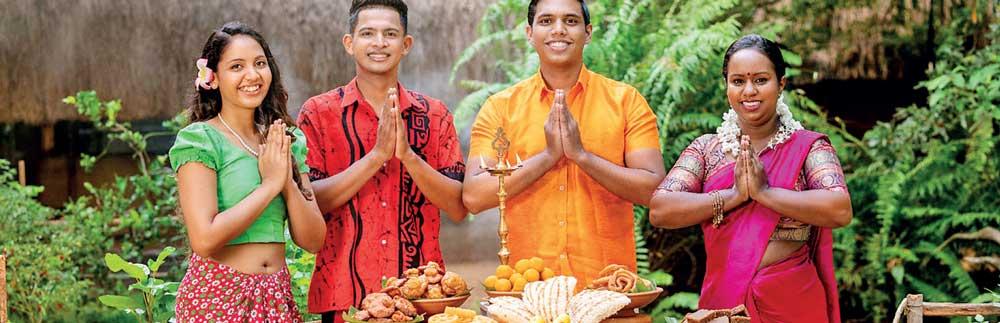
The ‘Avurudu kama mesaya’ is full of different types of dishes, from bananas and milk rice to sweetmeats such as kavum, kokis, aluwa, and mung aluwa. It’s seen as a sign of prosperity, for the home and the country. Today, there are many additions to this dining table. Our diet changes with the environment we are in and over time. For instance, today, cake is a part of the sweets we prepare for the New Year, but in the past, it wasn’t.
The ‘Avurudu kama mesaya’ can also bring together different cultures, such as the sweetmeats typically made by Sinhalese and the sweetmeats typically made by Tamils. There is value to this. In ayurveda, we also talk about a balanced meal, where a combination of flavours nourishes us, even mentally.
Thus, changes to the ‘kama mesaya’ aren’t a major issue, especially if additions are made while main dishes such as milk rice and sweetmeats like kavum remain.
Q- Are Avurudu rituals based solely on culture or is there a scientific basis to them?
Avurudu rituals are often based on cultural beliefs, but they are also based on the concepts of healthy living. These concepts, in ayurveda, measure how healthy a person is. They are signs of good health. These concepts are ingrained in our culture and are thus the basis of our rituals, such as the preparation of food or lighting the hearth.
If you take the latter, it signifies preparing food in a way our body can digest or absorb it. This is given prominence in Avurudu customs. So is bathing and cleaning the house, which results in good hygiene. These are all concepts of good health and have a scientific basis.
Health is the main basis of these rituals. When moving from the old year to the new, we ensure that we are in good health. We make sure to restart our work at an auspicious time. We wear new clothes. Such customs foster positive thinking.
Visiting our relatives or neighbours gives us the opportunity to put past misgivings behind us and start anew. They improve our relationships with each other.
Meanwhile, Avurudu games highlight social issues, like in ‘eluwan kama’, which talks about having to protect livestock from leopards, or foster values like discipline. They help our mental and social wellbeing and are rooted in science.
Q- Do you see New Year customs changing in the years to come?
Avurudu rituals may change even more in the future. There are many reasons for this. The children and youth of today are constantly on their devices. As technology advances and people get busier, they will celebrate the New year at a time convenient to them and not at auspicious times. This takes away the joy, peace, and prosperity of the New Year.
There is no time to interact with other people. Our lifestyle is also getting more and more nocturnal. And so, we are likely to adapt our customs to suit these lifestyles, even through we are losing a great culture and healthy lifestyle. If you take our nightlife, sleep is important. When we stay up late into the night, we get used to an unnatural lifestyle.
Today, we are seeing Avurudu celebrations turn into mere festivals or events due to extreme commercialisation. We watch activities take place and go home. We gain enjoyment from seeing what someone else is doing. But we are not part of these activities ourselves. We don’t absorb anything. They don’t enrich our lives.
To prevent this, we need to educate our children. We need to educate the future generations. Instead of stepping aside and letting these rituals fade away or criticising the loss of these rituals, it is more important to involve children in the rituals and customs and educate them.
END
