
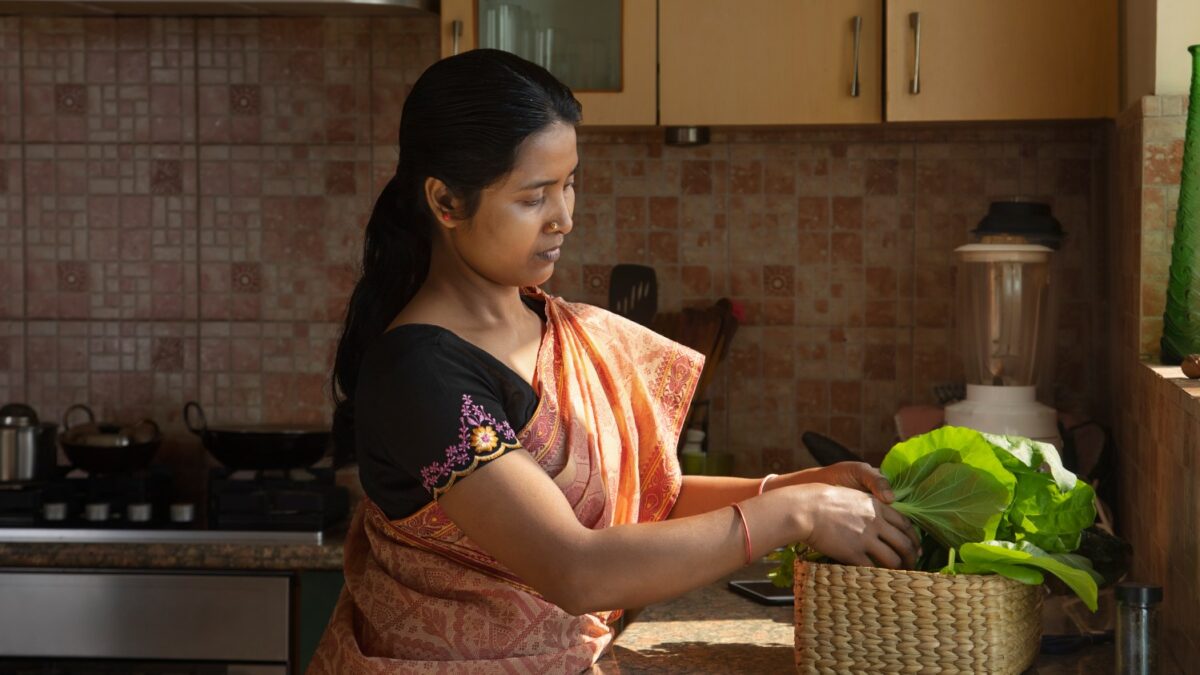

By Amrit Dhillon/The Times
New Delhi, March 14 – Many families in India rely on hired help to run the house. There’s a moment that causes profound consternation for any modestly affluent household in India.
The maid suddenly goes on leave, returns to her village or falls ill, and the home is without its linchpin and more or less stops functioning.
Now, in a nation on the economic rise and increasingly in thrall to “quick commerce”, where groceries arrive at the door in minutes, there is a solution to find someone to change the sheets, clean the house and cook lunch.
A company in Mumbai that supplies plumbers, electricians, carpenters, hair stylists and beauticians has branched out into dial-a-maids. The Urban Company offers “Insta Maids — all-in-one help at your doorstep in 15 mins”.
The service costs 59 rupees (50 pence) an hour and the app helpfully shows images of a sink, tomatoes on a chopping board, a bucket and mop, and a pile of ironed shirts to suggest what she can do.
While Indians are thrilled to get goods delivered instantly, the reaction to an instant maid has been mixed. Even the use of the word “maid” provoked anger.
Others see no problem with it. The word “maid” is considered more polite than the word “servant”, which many Indians unconscionably use even today.
Insta maids app: all-in-one help at your doorstep in 15 minutes. Collage of household cleaning and chores.
The company’s advertisements suggest a range of chores their maids can help with.
As to the principle of it, Akansha Basra, from Delhi, has no objection and plans to use it when the service becomes available in the capital. “If drivers can be hired, and plumbers, what is the difference with a maid? It’s a service like any other. On days when my permanent maid doesn’t come, I’d be happy to call Insta Maid to water the plants or do the ironing,” she said.
Her only concern, she added, was that the Urban Company should screen the maids thoroughly. “Letting a stranger into your house where they see everything and know whether you live alone is risky,” Basra said.
It remains to be seen how popular the service will become but it is likely to be hugely successful because of the Indian dependence on maids — part-time or live-in — to do all the housework.
The rich are even more dependent than the middle class, with their large retinues of staff, from the guard outside the house to multiple cooks, drivers, cleaners, dog-walkers and nannies to keep life humming along.
For Ramendra Kumar, head of the Delhi domestic workers’ union Shramik Sangathan, the 59-rupee hourly wage is far too low. His union demands for its members almost double that amount per hour.
A woman holding dirty dishes stands in front of text that says, “Hey! We are expanding quickly. Join the waitlist to get notified.”
The company offers free health insurance but workers’ unions say wages are too low
“Some domestic workers may prefer this kind of work because it is intermittent and allows them some freedom, unlike full-time work, which can feel like servitude. But they need to be paid better,” he said.
The Urban Company told an Indian publication that it provided free health insurance and assured maids an income of 20,000 rupees a month (£180) in return for 132 hours.
END
