

By Veena Venugopal/Financial Times
New Delhi, January 13 – Donald Trump has announced a 25 per cent tariff on countries that do business with Iran, a move that could hit India hard as a key trading partner to the Islamic republic. The White House declined to provide more details about the US president’s plan. We’ll be keeping an eye on developments.
Meanwhile, corporate results season has started, with IT services companies TCS and HCL Technologies kicking things off yesterday. Both reported higher revenue but lower profits compared with the year before.
TCS’s annual revenue rose 5 per cent while profit after tax was down 14 per cent. On the bright side, the company’s North American business demonstrated signs of growth for the first time in two years. HCL Tech’s operating revenues rose 13 per cent year on year, but its net profit fell 11 per cent.
In today’s newsletter, Vodafone Idea gets a breather from the government. But first, are India’s free trade agreements worth their while?
Deficit widens
India has been on an FTA signing spree since the second half of 2025, concluding deals with the UK, New Zealand and Oman in the past few months.
The next major one is with the EU, with commerce minister Piyush Goyal wrapping up another round of discussions in Brussels over the weekend for what is now being billed as the “biggest” deal yet. This week, several high-profile delegations from the bloc are visiting India: German Chancellor Friedrich Merz arrived in Ahmedabad yesterday, France’s diplomatic adviser is in Delhi ahead of President Emmanuel Macron’s visit next month, and Poland’s foreign minister is also expected in the capital soon. In fact, Indian officials are hoping to announce a deal later this month, on Republic Day (January 26), and European Commission president Ursula von der Leyen and European Council chief António Costa will be the guests of honour.
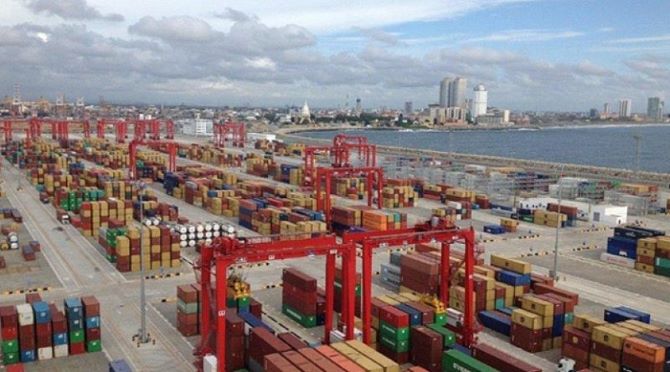
This is all very well, but has the succession of trade deals been effective in promoting Indian exports? A report published last week by government think-tank NITI Aayog suggested that, contrary to expectations, India’s trade deficit with its FTA partners was actually widening. During the first quarter of this fiscal year, the deficit with these countries increased by 59.2 per cent compared with the year before.
Exports to ASEAN countries saw the biggest slowdown at almost 17 per cent, with figures for Malaysia and Singapore falling 39.7 per cent and 13.2 per cent respectively, and outbound shipments to the country’s second-largest FTA destination, the UAE, were down 2.1 per cent. The report attributed this skew to India’s rising imports of inputs and energy products and declining participation in export-oriented manufacturing.
NITI Aayog also highlighted the need for deeper value-chain integration and competitiveness within India’s existing trade deals. This is a valid point and one that the government needs to consider. Signing an agreement is not a magic wand that immediately jump-starts exports. It merely signals access to a market.
The sector bucking the trend of shrinking export growth is electronics, which rose 47 per cent, after companies such as Apple increased production in India. It now accounts for 11 per cent of India’s total exports.
Most of the other sectors are weighed down by both decreasing cost advantage and bureaucratic and other difficulties in doing business. This was also reflected in the response to the government’s production-linked incentive scheme. While electronics and now semiconductor manufacturing have taken off, in 2025 the government was forced to sunset the scheme for several other industries because of poor participation.
For real impact, India should double down on its focus on a sectoral approach to boosting exports. In the current scenario, the more significant influence of trade agreements will be in opening up the domestic market to foreign goods.
END
https://www.ft.com/content/417aa0ec-372c-4d03-a0da-e8ba5a383d1b
I
